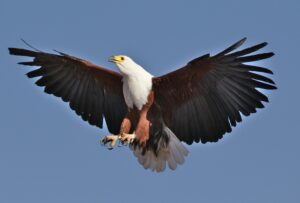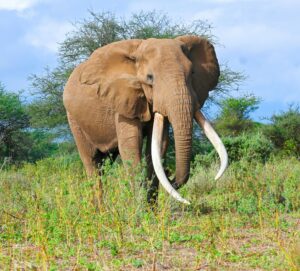
Engaging with wildlife during a game tour is an exhilarating experience that can deepen our connection to nature and provide unforgettable memories. However, it also comes with inherent risks that can be exacerbated by foolish decisions. This post explores the potential dangers posed by irresponsible behavior in wildlife settings, both from a philosophical perspective and grounded in practical realities.
1. Disregarding Safety Guidelines
The Mistake
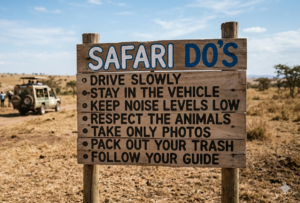
Ignoring the safety protocols provided by guides or park authorities is one of the most foolish things a traveler can do. Whether it’s getting too close to wild animals or straying from marked paths, such actions can provoke dangerous encounters.
The Consequence
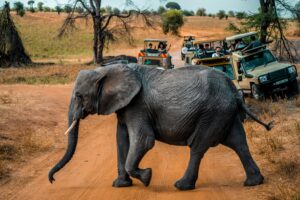
Approaching wildlife can lead to aggressive behavior, putting both the traveler and the animals at risk. Encounters with dangerous species like lions or elephants can be fatal.
Philosophical Reflection
Disregarding safety is not merely a reckless act; it reflects a broader disregard for the interconnectedness of life. Understanding that humans are guests in the animals’ territory fosters respect and responsibility.
2. Feeding Wild Animals
The Mistake
Offering food to wildlife, whether to get a closer look or simply out of curiosity, is a common but foolish mistake. This behavior disrupts natural feeding patterns and can alter animals’ behaviors.
The Consequence
Animals that become accustomed to human food can become aggressive, seeking out humans for handouts. This not only endangers travelers but also leads to animals being euthanized when they become too habituated to human presence.
Philosophical Reflection
Feeding wildlife reflects a fundamental misunderstanding of boundaries. Nature thrives on balance, and our role should be to observe, not interfere.
3. Loud Noise and Disturbance
The Mistake
Making excessive noise, whether through loud conversations, music, or sudden movements, can disturb wildlife and create a chaotic environment.
The Consequence
Disturbances can stress animals, forcing them to flee or react defensively. In some cases, startled animals may charge or attack, leading to dangerous situations.
Philosophical Reflection
Noise pollution in nature illustrates our inability to appreciate silence and solitude. True engagement with wildlife requires mindfulness and respect for their natural behaviors and habitats.
4. Inadequate Preparation
The Mistake
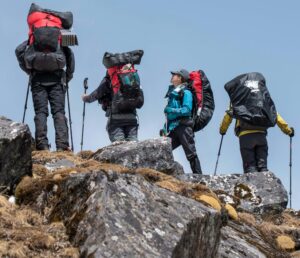
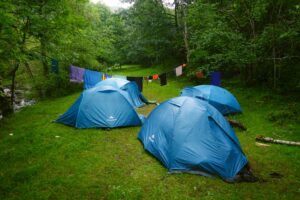
Failing to prepare adequately—whether it’s lacking proper gear, insufficient knowledge about the area, or not having necessary supplies—can lead to dire consequences.
The Consequence
Being unprepared for changing weather conditions, difficult terrains, or potential emergencies can put lives at risk. In extreme cases, it could lead to getting lost or exposed to the elements.
Philosophical Reflection
Preparation is a form of respect toward the environment and its inhabitants. It acknowledges the unpredictability of nature and emphasizes our responsibility to be informed and equipped.
5. Ignoring Wildlife Behavior
The Mistake
Not understanding animal behavior can lead to dangerous situations. Approaching an animal that shows signs of distress or aggression is incredibly foolish.
The Consequence
Misreading animal signals can provoke defensive actions, resulting in attacks that endanger both the traveler and those around them.
Philosophical Reflection
Engaging with wildlife requires a deep respect for their autonomy and instincts. Observing from a distance fosters appreciation and understanding rather than fear and hostility.
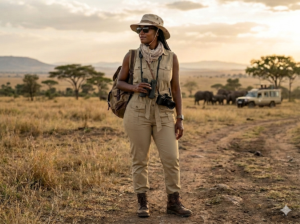
6. Taking Risks for the Perfect Photo
The Mistake
Risking safety for the sake of capturing a great photo—whether by getting too close to an animal or venturing into dangerous terrain—can be a reckless choice.
The Consequence
This behavior can lead to accidents, such as falls, injuries, or dangerous wildlife encounters. Moreover, it encourages a culture of recklessness that can put others at risk as well.
Philosophical Reflection
Chasing after the perfect image often blinds us to the present moment. Authentic experiences cannot be captured through the lens of a camera; they must be lived fully and mindfully.
Conclusion
While wildlife tours offer unparalleled opportunities for connection with nature, they also demand a high level of respect, awareness, and responsibility. Foolish decisions can lead to serious consequences—not only for the traveler but also for the wildlife and ecosystems involved.
Philosophically, these choices reflect deeper truths about our relationship with nature. By acknowledging our role as respectful observers rather than intrusive participants, we can cultivate a more harmonious existence with the wild. Embrace the beauty of wildlife, but remember: wisdom in our actions ensures the safety and sanctity of every journey into nature.