When considering traveling with a pet, it’s essential to choose one that adapts well to new environments and experiences. Here’s a look at various types of pets suitable for travel, weighing their pros and cons, as well as potential challenges.
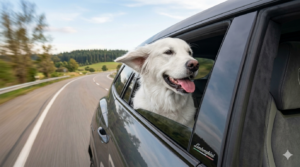
1. Dogs
Pros:
- Companionship: Dogs are loyal companions, providing emotional support and enjoyment during travels.
- Trainability: Many dogs can be trained to adapt to various situations and follow commands, making them easier to manage.
- Social Interaction: Dogs often attract attention and can help owners meet new people.
Cons:
- Size Limitations: Larger breeds may not be suitable for all accommodations and transport options.
- Need for Exercise: Dogs require regular walks and playtime, which can complicate travel schedules.
- Behavior Issues: Some dogs may experience anxiety or become aggressive in unfamiliar settings.
Challenges:
- Finding pet-friendly accommodations and ensuring access to parks or open spaces.
- Managing health needs and potential travel sickness.
2. Cats
Pros:
- Independent Nature: Cats are generally more self-sufficient than dogs and may handle travel better when properly acclimated.
- Compact Size: Most cats can travel comfortably in carriers without needing extensive space.
Cons:
- Less Social: Cats may be more aloof and less inclined to enjoy new experiences.
- Behavioral Stress: Many cats dislike travel and may become stressed in unfamiliar environments, leading to anxiety-related behaviors.
Challenges:
- Ensuring your cat is comfortable in a carrier for extended periods.
- Finding accommodations that allow cats, as many places are dog-friendly but not cat-friendly.
3. Small Mammals (e.g., Rabbits, Guinea Pigs)
Pros:
- Small Size: Easy to transport in carriers or cages.
- Lower Exercise Needs: Typically, small mammals don’t require walks, making them easier to manage.
Cons:
- Delicate Health Needs: Small mammals can be more susceptible to stress and health issues during travel.
- Limited Interaction: They may not provide the same companionship level as dogs or cats.
Challenges:
- Finding suitable accommodations that allow small mammals.
- Keeping them comfortable and stress-free during transport.
4. Birds
Pros:
- Compact and Portable: Many bird species are small and easy to transport.
- Low Space Requirements: They can be kept in carriers and require less space than larger pets.
Cons:
- Sensitivity to Stress: Birds can easily become stressed and may require specialized care.
- Noise Levels: Some birds can be loud, which may disturb others while traveling.
Challenges:
- Ensuring a quiet and safe environment during travel.
- Access to suitable avian care and accommodations.
Why Traveling with Some Pets May Be a Bad Idea
- High Stress Levels: Many pets can become anxious or distressed in unfamiliar environments. For instance, most cats and some dogs may not adapt well to travel, leading to health issues or behavioral problems.
- Health Risks: Certain pets, particularly small mammals and birds, can be more susceptible to travel-related illnesses.
- Logistical Challenges: Some pets may not fit well into travel arrangements, such as flights, trains, or hotels. Not all accommodations welcome pets, and transport regulations can vary.
Steps to Arrange Traveling with a Pet
1. Consult a Veterinarian
- Ensure your pet is healthy and up-to-date on vaccinations. Discuss travel-specific health risks and obtain any necessary medications.
2. Research Pet-Friendly Destinations
- Look for accommodations, attractions, and activities that welcome pets. Websites and apps dedicated to pet-friendly travel can be invaluable.
3. Prepare Your Pet
- Get your pet accustomed to their travel carrier. Gradually introduce them to longer trips and different environments to reduce anxiety.
4. Pack Essentials
- Create a travel kit that includes food, water, bowls, leashes, waste bags, toys, medications, and any other comfort items your pet may need.
5. Plan Transportation
- Check regulations for traveling by plane, train, or car. Ensure your pet’s carrier meets size requirements and is comfortable.
6. Create an Itinerary with Downtime
- Schedule time for rest and breaks to accommodate your pet’s needs. This is crucial for reducing stress and ensuring everyone enjoys the trip.
7. Stay Flexible
- Be prepared for changes in plans due to your pet’s needs. Flexibility can enhance the travel experience for both you and your pet.
Conclusion
Choosing the right pet for travel requires careful consideration of their temperament, health, and compatibility with new environments. While dogs may generally be the most suitable travel companions, cats, small mammals, and birds can also be enjoyable travel partners if prepared properly. By following the outlined steps and weighing the pros and cons, pet owners can make informed decisions that ensure a safe and pleasant travel experience for everyone involved.