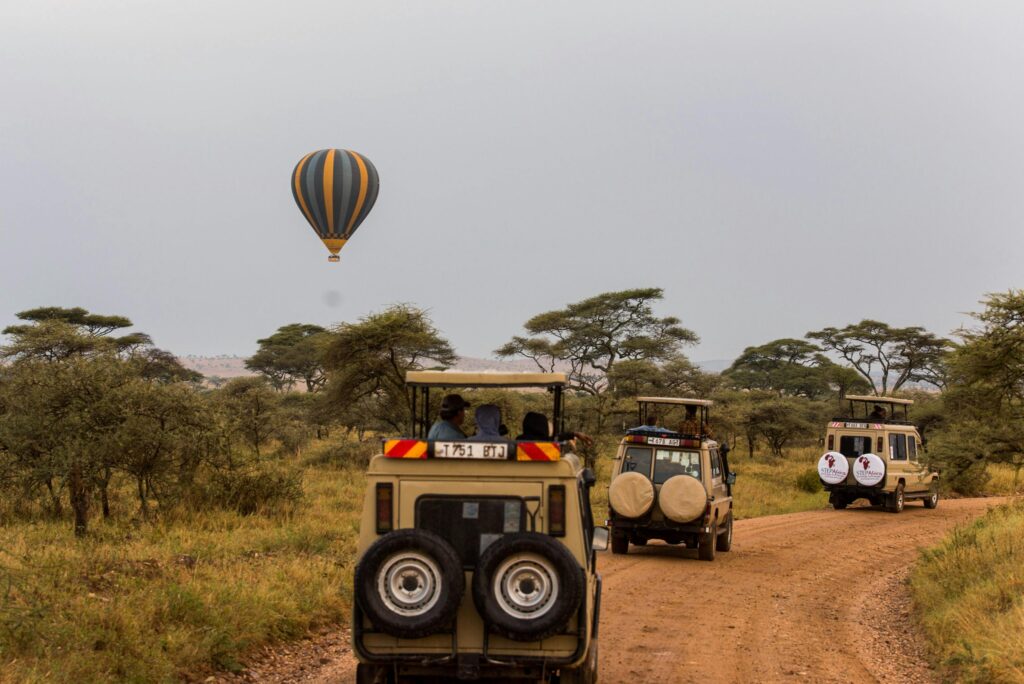
As the world increasingly embraces the principles of sustainable tourism, tour operators play a crucial role in shaping the industry. They can significantly influence travel behaviors, promote environmental stewardship, and foster local community engagement. By integrating sustainable practices into their operations, tour operators not only contribute to the protection of natural resources but also enhance the travel experience for their clients. Here’s how they can make a difference and some exemplary projects highlighting their efforts in wildlife preservation and management.
1. Promoting Responsible Travel Practices
Educating Travelers: Tour operators have the opportunity to educate clients about responsible travel behaviors. This includes minimizing waste, respecting local cultures, and choosing sustainable options, such as eco-friendly accommodations and transportation.
Example Project: Conservation International collaborates with tour operators to create educational programs that promote responsible tourism in destinations like Madagascar. These initiatives inform travelers about the delicate ecosystems and the importance of preserving local biodiversity.
2. Supporting Local Communities
Community-Based Tourism: By partnering with local communities, tour operators can ensure that tourism revenue directly benefits residents. This approach not only provides economic opportunities but also fosters cultural exchange.
Example Project: The Kisii Community Project in Kenya engages tourists in local cultural experiences while funding education and healthcare initiatives for the community. Tour operators that promote such projects help ensure that tourism has a positive impact on the local population.
3. Integrating Wildlife Conservation Efforts
Wildlife Management Programs: Tour operators can collaborate with conservation organizations to support wildlife preservation efforts. This includes funding anti-poaching initiatives, habitat restoration, and monitoring endangered species.
Example Project: The African Wildlife Foundation partners with tour operators to implement wildlife monitoring and anti-poaching efforts in countries like Tanzania. Operators can integrate these projects into their itineraries, giving travelers the chance to contribute to conservation while enjoying the beauty of the natural world.
4. Implementing Eco-Friendly Practices
Sustainable Operations: Tour operators can adopt eco-friendly practices within their businesses, such as reducing energy consumption, minimizing single-use plastics, and using green transportation options like electric vehicles or bicycles.
Example Project: Intrepid Travel has committed to carbon neutrality by using renewable energy sources and offsetting emissions through reforestation projects. By aligning their operations with sustainability principles, they inspire other operators to follow suit.
5. Advocating for Policy Change
Influencing Legislation: Tour operators can advocate for policies that promote sustainable tourism at local, national, and international levels. By collaborating with governments and NGOs, they can help shape regulations that protect natural resources and wildlife habitats.
Example Project: Tourism for Tomorrow, an initiative of the World Travel & Tourism Council, works with operators to promote sustainable tourism practices and policies globally. Their efforts aim to influence tourism legislation that benefits both communities and the environment.
6. Creating Wildlife-Friendly Experiences
Wildlife Tourism: Responsible wildlife tourism can raise awareness and funds for conservation. Tour operators can design experiences that allow travelers to observe wildlife in their natural habitats without disturbing them.
Example Project: The Great Migration in East Africa attracts thousands of travelers each year. Tour operators that prioritize ethical wildlife viewing ensure that tourists adhere to guidelines that minimize their impact on migratory routes, contributing to conservation efforts while providing memorable experiences.
7. Leveraging Technology for Sustainability
Innovative Solutions: Tour operators can use technology to improve sustainability efforts. This includes implementing apps that inform travelers about their carbon footprint, offering virtual tours to reduce travel demands, or using data analytics to optimize resource management.
Example Project: Wildlife Works utilizes satellite technology to monitor deforestation and wildlife movement in the Congo Basin. Tour operators can promote such technologies, enabling travelers to witness the positive impacts of conservation efforts.
Conclusion: A Collaborative Future
Tour operators hold a pivotal position in the travel and tourism industry, with the potential to drive sustainability and wildlife preservation efforts. By adopting responsible practices, supporting local communities, and advocating for wildlife conservation, they can enhance the overall travel experience while ensuring the protection of our planet’s precious resources.
The collaborative efforts of tour operators, travelers, and local communities can create a positive impact that resonates far beyond the immediate environment. As we continue to explore and appreciate the beauty of our world, let us also commit to protecting it for future generations. Together, we can create a sustainable tourism industry that honors both nature and the communities that thrive within it.