Africa is renowned for its diverse wildlife, and among its most iconic inhabitants are the herbivores that roam its vast landscapes. From the expansive savannas to lush wetlands, these animals play a vital role in the ecosystem, serving as both grazers and browsers. In this article, we’ll explore some of Africa’s most remarkable herbivores, detailing their specifications and the best destinations to observe them.
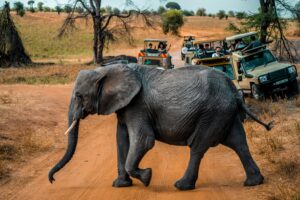
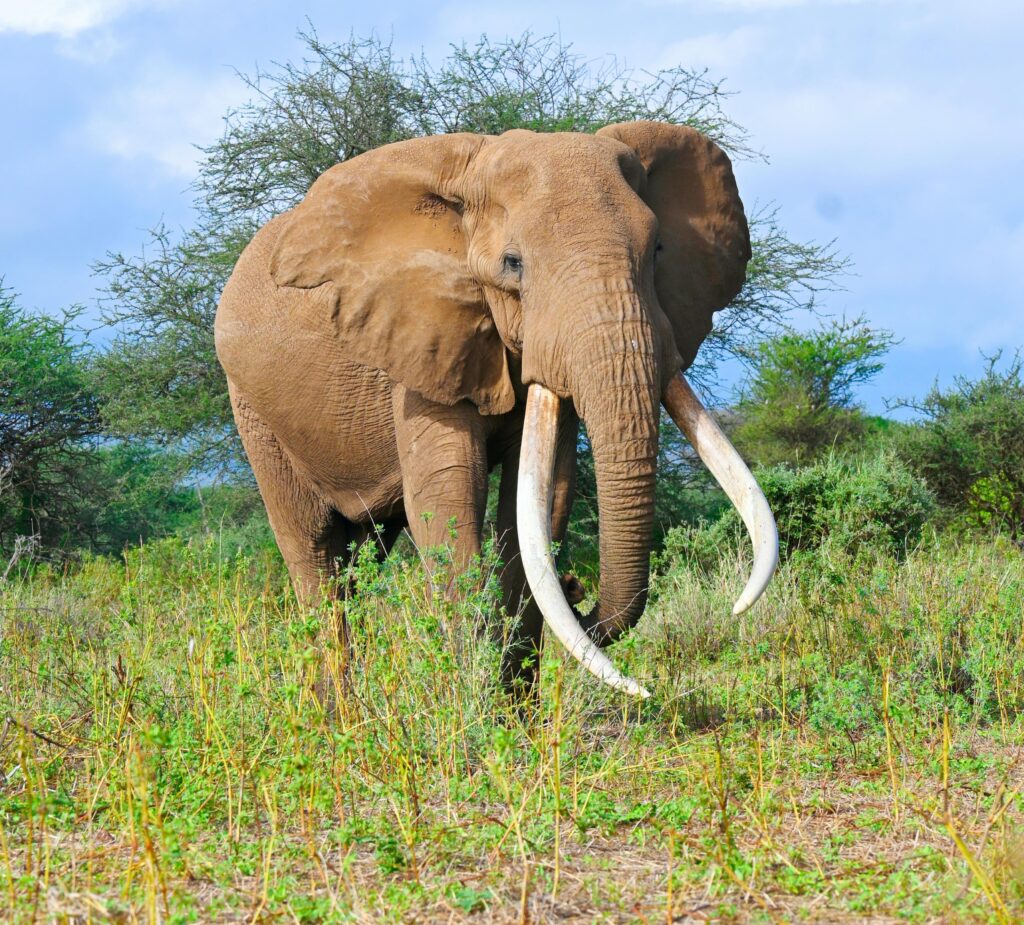
1. African Elephant (Loxodonta africana)
- Specifications:
- Weight: 4,500 – 6,800 kg
- Height: 2.5 – 4 m at the shoulder
- Length: Up to 7.5 m
- Habitat: Savannas, forests, and grasslands
- Best Destinations: Kruger National Park (South Africa), Chobe National Park (Botswana), Amboseli National Park (Kenya)
Why They Matter:
Elephants are known as ecosystem engineers, helping to shape their environments by uprooting trees and creating waterholes that benefit other species.
2. Giraffe (Giraffa camelopardalis)
- Specifications:
- Weight: 800 – 1,200 kg
- Height: 4.3 – 5.7 m
- Neck Length: Up to 2.4 m
- Habitat: Savannas and open woodlands
- Best Destinations: Masai Mara (Kenya), Etosha National Park (Namibia), Tarangire National Park (Tanzania)
Why They Matter:
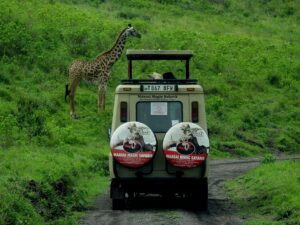
Giraffes play a crucial role in their ecosystem by browsing on treetops, thus controlling tree growth and helping maintain the savanna landscape.
3. Hippopotamus (Hippopotamus amphibius)
- Specifications:
- Weight: 1,500 – 3,200 kg
- Length: 3.3 – 5 m
- Height: 1.5 m at the shoulder
- Habitat: Rivers, lakes, and swamps
- Best Destinations: Lake Naivasha (Kenya), Zambezi River (Zimbabwe), Chobe River (Botswana)
Why They Matter:
Though primarily herbivorous, hippos contribute to the ecosystem by grazing on grasses near water bodies, promoting plant growth and maintaining healthy riverbanks.
4. White Rhinoceros (Ceratotherium simum)
- Specifications:
- Weight: 1,800 – 2,700 kg
- Height: 1.4 – 1.8 m at the shoulder
- Length: 3.4 – 4.2 m
- Habitat: Grasslands and savannas
- Best Destinations: Hluhluwe-Imfolozi Park (South Africa), Kruger National Park (South Africa), Lake Nakuru National Park (Kenya)
Why They Matter:
White rhinos are crucial for maintaining grassland ecosystems, as their grazing habits encourage new growth and support a variety of plant species.
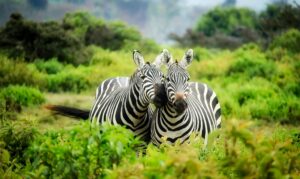
5. Zebra (Equus quagga)
- Specifications:
- Weight: 220 – 450 kg
- Height: 1.2 – 1.5 m at the shoulder
- Length: 2.3 – 2.7 m
- Habitat: Savannas, grasslands, and woodlands
- Best Destinations: Serengeti National Park (Tanzania), Maasai Mara (Kenya), Etosha National Park (Namibia)
Why They Matter:
Zebras play a key role in their habitats by grazing on grasses, which helps to maintain the balance of the ecosystem and provides food for predators.
6. Cape Buffalo (Syncerus caffer)
- Specifications:
- Weight: 500 – 1,000 kg
- Height: 1 – 1.5 m at the shoulder
- Length: 2.4 – 3.4 m
- Habitat: Grasslands and savannas
- Best Destinations: Kruger National Park (South Africa), Serengeti National Park (Tanzania), Queen Elizabeth National Park (Uganda)
Why They Matter:
Cape buffalo are important grazers that help shape the grasslands, and they are a key prey species for large predators, contributing to the food web.
7. Impala (Aepyceros melampus)
- Specifications:
- Weight: 40 – 90 kg
- Height: 0.75 – 1 m at the shoulder
- Length: 1.2 – 1.8 m
- Habitat: Savannas, woodlands, and grasslands
- Best Destinations: Kruger National Park (South Africa), Serengeti National Park (Tanzania), Moremi Game Reserve (Botswana)
Why They Matter:
Impalas are key species in their habitats, serving as prey for many predators and helping to maintain the ecological balance.
Conclusion
Africa’s herbivores are not only iconic symbols of the continent’s rich biodiversity but also play crucial roles in their ecosystems. Observing these majestic creatures in their natural habitats is a profound experience that connects us to the beauty and complexity of nature. Whether you’re tracking elephants in Botswana or marveling at giraffes in Tanzania, each encounter with these remarkable animals offers insights into the delicate balance of life on Earth. For anyone looking to explore Africa’s wildlife, visiting these destinations provides an unforgettable journey into the heart of nature.