Africa is renowned for its incredible biodiversity, home to some of the most iconic wildlife on the planet. From the majestic lions of the savanna to the elusive leopards of the forests, understanding these animals enhances the game viewing experience and fosters a deeper appreciation for the ecosystems they inhabit. Before you embark on your safari, here’s a guide to some of the key species you might encounter, along with interesting facts that will enrich your adventure.
1. The Big Five
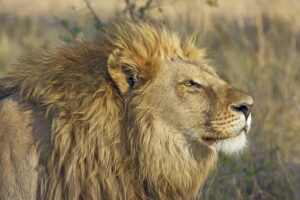
Lion (Panthera leo)
Often called the “king of the jungle,” lions are social animals that live in prides, typically consisting of related females, their young, and a few males. Known for their powerful roars, which can be heard from miles away, lions are apex predators, primarily hunting large herbivores like buffalo and zebras.
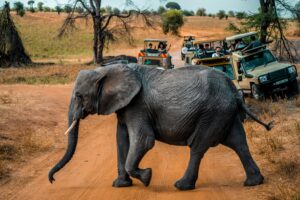
African Elephant (Loxodonta africana)
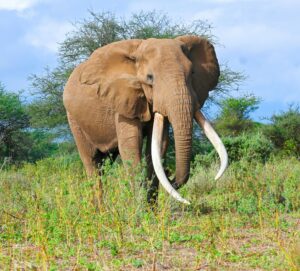
The largest land mammal, African elephants are known for their intelligence, strong social bonds, and complex behaviors. They communicate through low-frequency sounds and can detect vibrations in the ground, making them incredibly aware of their surroundings. Protecting these gentle giants is vital, as they face threats from poaching and habitat loss.
Cape Buffalo (Syncerus caffer)
Recognized for their formidable horns and massive build, Cape buffalo are often found in herds that provide protection against predators. Despite their seemingly docile appearance, they are known for their unpredictable behavior and can be quite dangerous when threatened.
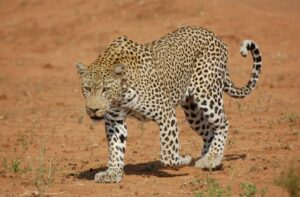
Leopard (Panthera pardus)
Leopards are solitary and highly adaptable, known for their incredible climbing skills. They often drag their prey into trees to keep it safe from scavengers. Their unique spotted coat allows them to blend seamlessly into their environment, making them elusive and challenging to spot.
Rhinoceros (Rhinocerotidae)
Both black and white rhinos inhabit various African landscapes, though they are sadly endangered due to poaching. Black rhinos are more solitary and agile, while white rhinos are larger and often found in groups. Understanding the importance of conservation efforts for these magnificent creatures is crucial for their survival.
2. Other Iconic Species
Giraffe (Giraffa camelopardalis)
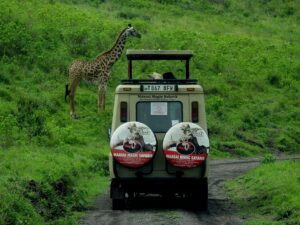
Giraffes are the tallest land animals, with long necks that allow them to reach high branches. Their unique coat patterns help them blend into the trees, providing camouflage from predators. Observing a giraffe feeding can be a mesmerizing experience, showcasing their graceful movements.
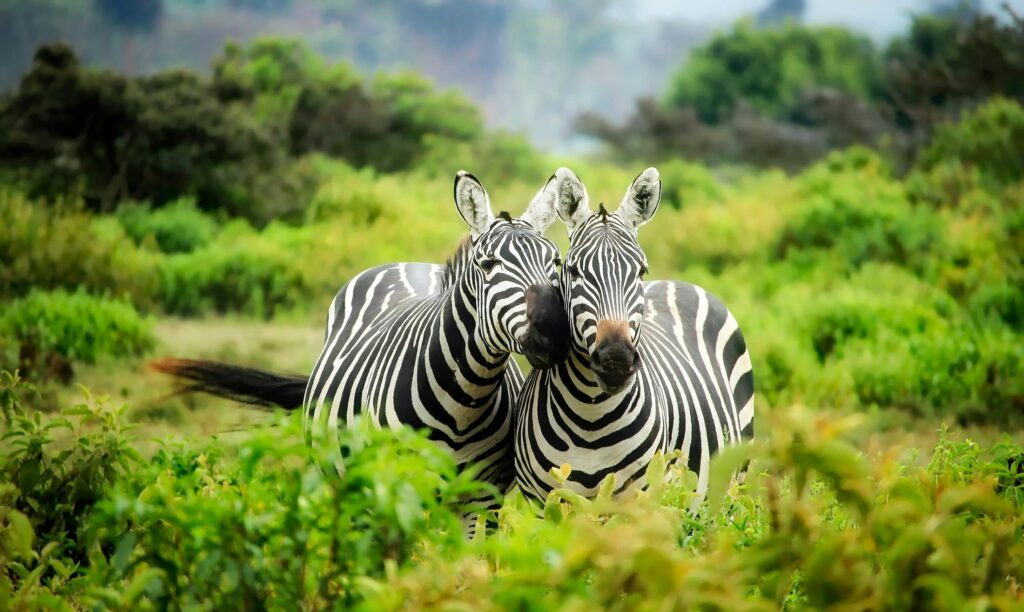
Zebra (Equus quagga)
With their distinctive black-and-white stripes, zebras are not only beautiful but also social animals that live in herds. Their stripes serve as camouflage and help confuse predators. Watching them interact can provide insight into their social structures and behaviors.
Cheetah (Acinonyx jubatus)
The fastest land animal, cheetahs are built for speed with their slender bodies and long legs. They primarily hunt during the day and are known for their unique hunting strategy: sprinting after prey in short bursts. Understanding their hunting techniques enhances the thrill of spotting one in action.
Hippo (Hippopotamus amphibius)
Hippopotamuses spend much of their time in water, where they are surprisingly agile. Despite their bulk, they can run swiftly on land. Hippos are territorial and can be aggressive, making them fascinating yet formidable animals to observe.
3. Understanding Animal Behavior
Before your game drive, familiarize yourself with basic animal behaviors. Understanding the signs of stress or aggression, social interactions within species, and feeding habits can significantly enhance your safari experience.
- Herd Dynamics: Observing how animals interact within their groups can provide insights into their social structures. For instance, elephants are known for their nurturing behavior, often caring for each other’s young.
- Predator-Prey Relationships: The delicate balance between predators and prey is fundamental to the ecosystem. Spotting a predator in action is thrilling, but understanding the impact of their hunting on the population dynamics of prey species adds depth to your experience.
4. The Importance of Conservation
As you explore the beauty of Africa’s wildlife, it’s essential to recognize the challenges these animals face. Habitat loss, poaching, and climate change threaten many species. By increasing your knowledge about these animals, you contribute to a greater awareness of conservation issues. Many tour operators support local conservation efforts, so consider participating in programs that help protect these magnificent creatures.
Conclusion
Knowing the wild animals of Africa before your safari not only enriches your game viewing experience but also fosters a greater appreciation for the intricate web of life in which these animals exist. Armed with knowledge about their behaviors, habitats, and conservation needs, you’ll be better prepared to witness the wonders of the African wilderness.
So, as you prepare for your adventure, take the time to learn about the incredible wildlife that awaits you. The experience of seeing these majestic creatures in their natural habitats will be all the more meaningful when you understand the story behind them.