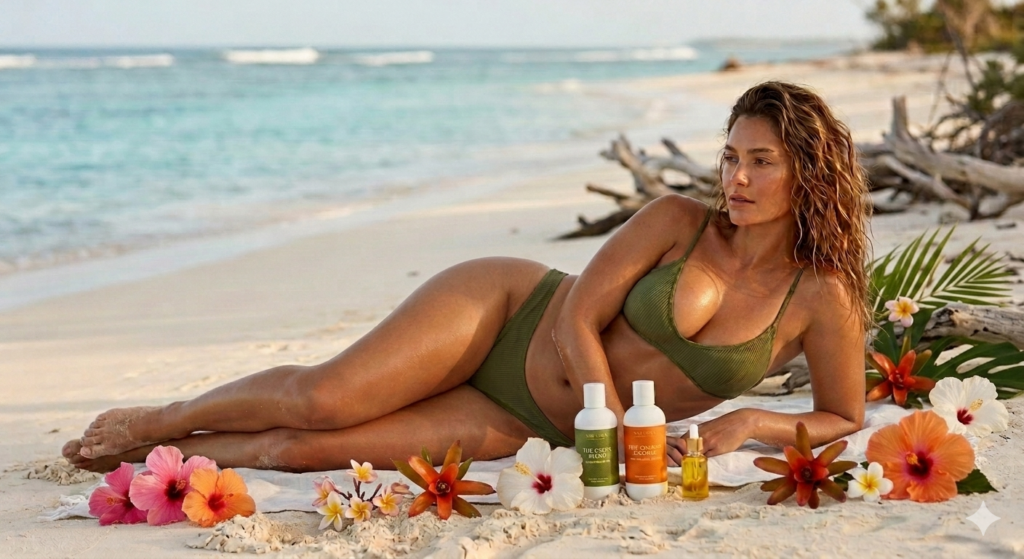
Choosing the right body and sunscreen lotions is essential for maintaining skin health while protecting against environmental stressors. With various options available—fragrant versus odorless, organic versus chemical—understanding their characteristics and applications can help you make an informed decision. In this article, we’ll compare these products, evaluating texture, viscosity, color, packaging, shelf life, stability, and key chemical ingredients.
Types of Body and Sunscreen Lotions
1. Fragrant Lotions
Overview: Fragrant lotions are infused with scents that enhance the sensory experience of application.
Advantages:
- Pleasant aroma can uplift mood and provide a spa-like experience.
- Often contains essential oils that may offer additional skin benefits.
Disadvantages:
- Scented ingredients can irritate sensitive skin or trigger allergies.
- May not be suitable for those who prefer unscented products.
2. Odorless Lotions
Overview: These lotions are formulated to have little to no fragrance, making them ideal for sensitive users.
Advantages:
- Lower risk of irritation for sensitive skin.
- Suitable for layering with perfumes or other scented products.
Disadvantages:
- May lack the pleasurable experience of fragrant lotions.
- Some consumers might perceive them as less effective due to the absence of scent.
3. Organic Lotions
Overview: Organic lotions use natural ingredients, often derived from plants, and are free from synthetic chemicals.
Advantages:
- Typically gentler on the skin with fewer harsh additives.
- Eco-friendly and often sustainably sourced.
Disadvantages:
- Shorter shelf life compared to synthetic lotions due to lack of preservatives.
- May be less effective against certain environmental factors.
4. Chemical Lotions
Overview: These lotions contain synthetic ingredients designed to deliver specific benefits, such as hydration or sun protection.
Advantages:
- Often have longer shelf lives due to preservatives.
- Proven effectiveness in clinical studies.
Disadvantages:
- Some ingredients can cause irritation or allergic reactions.
- Environmental concerns regarding the sustainability of certain chemicals.
Evaluating Key Factors
Texture and Viscosity
- Fragrant and Chemical Lotions: Generally have a smooth, creamy texture that spreads easily. They may contain thicker emollients for a luxurious feel.
- Odorless and Organic Lotions: May vary in viscosity but often feel lighter, absorbing quickly into the skin without a greasy residue.
Color
- Fragrant and Chemical Lotions: Often have added colorants, making them visually appealing.
- Odorless and Organic Lotions: Tend to be more natural in color, reflecting their organic ingredients.
Packaging Factors
- Sustainability: Organic lotions may use eco-friendly packaging, while chemical products might prioritize functionality and shelf appeal.
- Dispensing Mechanism: Pump bottles and tubes offer better hygiene and controlled dispensing compared to jars, which can be prone to contamination.
Shelf Life and Stability
- Organic Lotions: Typically have a shorter shelf life (6 months to 1 year) due to natural ingredients. Store in a cool, dark place to maximize stability.
- Chemical Lotions: Can last 2-3 years if stored correctly, thanks to preservatives that inhibit microbial growth.
Chemical Ingredients to Watch
Key Chemicals in Lotions
- Parabens: Common preservatives; potential skin irritants and endocrine disruptors.
- Fragrance Chemicals: Can cause allergic reactions or sensitivities.
- Sulfates: Used for emulsification but can be drying.
Side Effects: Irritation, allergic reactions, and, in rare cases, long-term health effects from prolonged exposure to certain chemicals.
Benefits of Active Ingredients
- Hyaluronic Acid: Hydrates skin and retains moisture.
- Zinc Oxide: Offers broad-spectrum sun protection and is gentle on sensitive skin.
- Shea Butter: Nourishes and moisturizes, enhancing skin barrier function.
Application Tips
How to Apply Effectively
- On the Face:
- Use a lightweight, non-comedogenic lotion to prevent clogged pores.
- Apply a dime-sized amount and gently massage in upward circular motions.
- On the Body:
- For larger areas, such as arms and legs, use a generous amount, ensuring even coverage.
- Focus on dry areas like elbows and knees, which may require additional product.
- Sunscreen Application:
- Apply at least 15 minutes before sun exposure.
- Use about an ounce (a shot glass full) to cover the entire body; don’t forget ears and the back of your hands.
- Reapply every two hours or immediately after swimming or sweating.
Conclusion
Choosing between fragrant and odorless, organic and chemical lotions requires careful consideration of your skin type, lifestyle, and personal preferences. Each type has its own unique advantages and disadvantages, impacting texture, stability, and effectiveness. By understanding these factors and applying lotions correctly, you can ensure your skin remains healthy, protected, and nourished. Remember, always patch test new products, especially if you have sensitive skin, to avoid any adverse reactions.