Traveling, especially in diverse environments like Africa, can be an exhilarating experience. However, the challenges of keeping your feet comfortable and healthy on the go cannot be overlooked. Foot powders can be invaluable tools for travelers, helping to alleviate discomfort, prevent foot odor, and reduce moisture. This article explores the benefits of various foot powders, their pros and cons, and how to effectively incorporate them into your travel routine.
The Necessity of Foot Powders for Travelers
Foot powders are not just a luxury; they can be essential for maintaining foot health during travel. In regions with hot climates and rugged terrains, such as Africa, the potential for blisters, moisture buildup, and fungal infections increases. Foot powders can help manage these issues effectively, making them a worthwhile addition to your travel essentials.
Key Types of Foot Powders
1. Talcum Powder
Overview: Talcum powder is made from talc, a mineral that absorbs moisture and reduces friction.
Pros:
- Excellent moisture absorption.
- Reduces friction, helping to prevent blisters.
- Leaves a smooth, soft feel.
Cons:
- Can create dust clouds during application.
- Concerns over inhalation of talc, especially in powder form.
2. Cornstarch-Based Powders
Overview: These powders use cornstarch as a base, which is effective at moisture absorption and reducing odor.
Pros:
- Natural and generally safe for most skin types.
- Good at absorbing sweat and reducing odor.
Cons:
- May not be as effective as talc in high-moisture situations.
- Can clump if exposed to too much moisture.
3. Antifungal Powders
Overview: These powders contain antifungal agents like miconazole or clotrimazole to combat athlete’s foot and other fungal infections.
Pros:
- Provides targeted treatment for fungal conditions.
- Helps prevent fungal growth in warm, humid conditions.
Cons:
- May cause irritation if used excessively or improperly.
- Typically more expensive than regular powders.
4. Herbal and Natural Powders
Overview: Often made from plant-based ingredients like tea tree oil, peppermint, or eucalyptus, these powders provide a natural alternative.
Pros:
- Pleasant scents and additional antibacterial properties.
- Fewer synthetic chemicals.
Cons:
- May not absorb moisture as effectively as synthetic options.
- Potential for allergic reactions to herbal ingredients.
Routines and Effective Use
Application Routine
- Clean and Dry Feet: Start with clean, dry feet. Ensure that they are thoroughly dried, especially between the toes.
- Choose the Right Powder: Depending on your needs (moisture control, odor, antifungal), select the appropriate powder.
- Apply Generously: Sprinkle an adequate amount of powder on your feet, including between the toes and around the heels.
- Reapply as Needed: During long travel days or after activities, reapply the powder to maintain dryness and comfort.
Coupling with Other Products
- Moisturizers: After applying foot powder, consider using a lightweight foot cream on the tops and soles of your feet. This helps prevent dryness while keeping your skin healthy.
- Breathable Socks: Pair foot powders with moisture-wicking or breathable socks to enhance comfort and dryness.
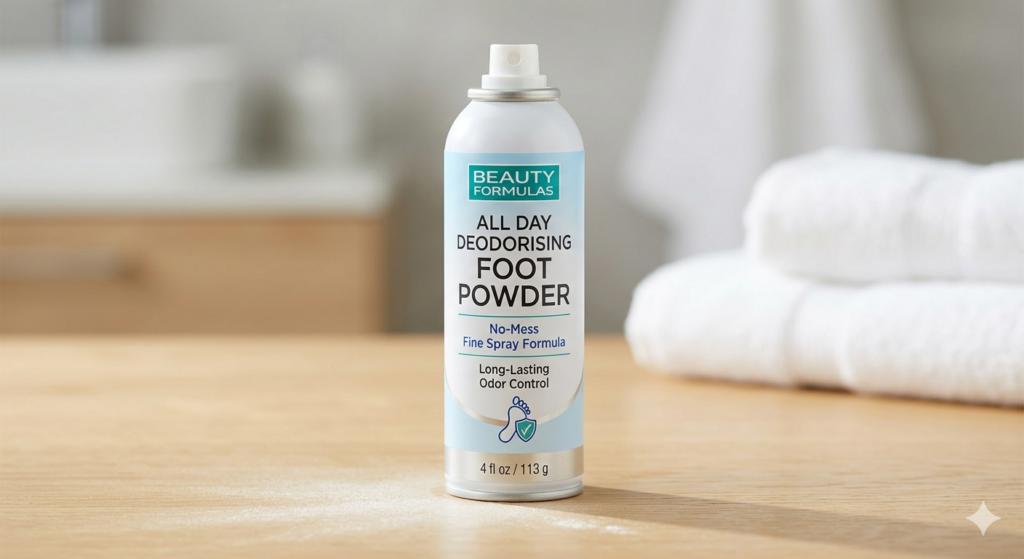
- Foot Sprays: Use a foot spray in conjunction with powders for added odor control and freshness.
Alleviating Foot Discomfort
Foot powders can help alleviate several common issues faced by travelers:
- Moisture Management: Reduces sweat and moisture, minimizing the risk of blisters and fungal infections.
- Odor Control: Helps combat foot odor, especially after long days of walking or hiking.
- Friction Reduction: Lowers the risk of blisters and chafing caused by shoe friction.
Choosing the Right Footwear
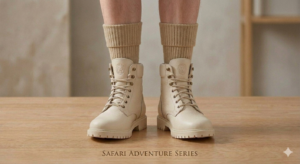
- Footwear Type: Select shoes that offer support and are appropriate for the terrain. Breathable, moisture-wicking shoes can enhance comfort.
- Avoid Overly Tight Shoes: Shoes that fit too tightly can cause friction and discomfort, leading to blisters and other issues.
What to Avoid
- Avoid Talc with Asbestos: Ensure your talcum powder is asbestos-free to prevent health risks.
- Synthetic Fragrances: Avoid powders with synthetic fragrances that can cause irritation.
- Excessive Application: Overusing foot powder can lead to buildup and irritation; stick to recommended amounts.
Conclusion
Foot powders can play a crucial role in ensuring comfort and foot health during travel, particularly in challenging environments like Africa. By understanding the different types of powders available and how to use them effectively, travelers can alleviate discomfort, manage moisture, and enjoy their adventures to the fullest. Coupled with proper footwear and a good skincare routine, foot powders can help keep your feet happy and healthy on the road.