Traveling in Africa is an incredible experience filled with diverse cultures, breathtaking landscapes, and delicious cuisine. However, when exploring new regions, it’s essential to be mindful of the types of food you consume to avoid health issues. This article outlines foods to avoid during your travels in Africa, challenges associated with them, and safe alternatives for your meals throughout the day.
Foods to Avoid and Their Challenges
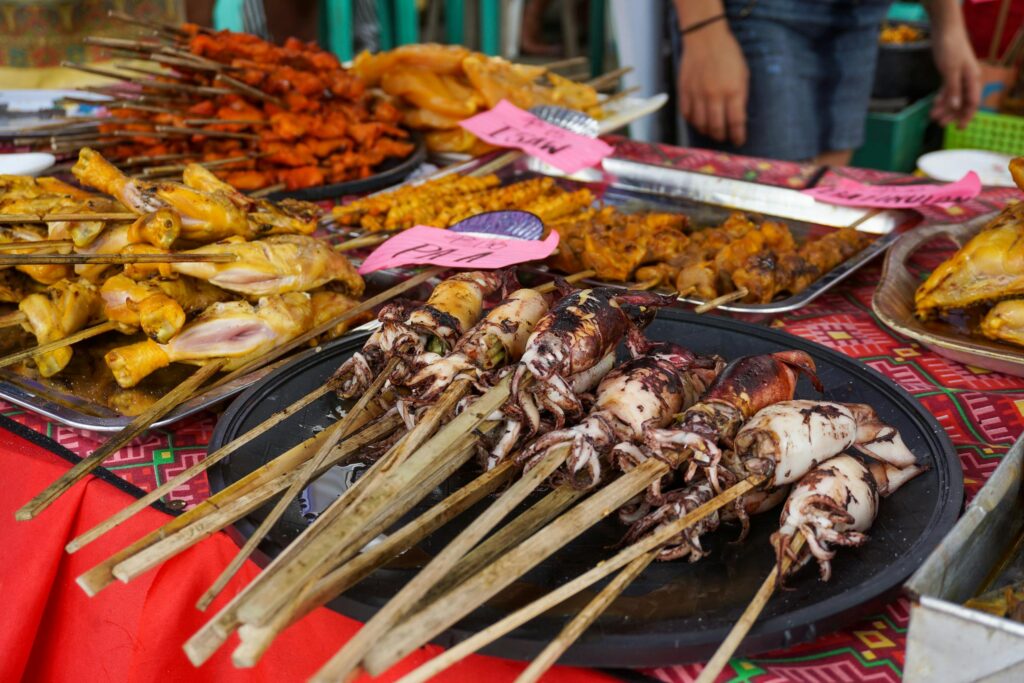
1. Street Food
- Unsuitable Due to:
- Hygiene Concerns: Street vendors may not follow strict sanitation practices, increasing the risk of foodborne illnesses.
- Uncertain Ingredients: You may not know how long food has been sitting out or if it was prepared with clean water.
- Safe Alternatives:
- Reputable Restaurants: Choose established eateries known for good hygiene practices.
- Cafés or Bistros: These often have better food handling and preparation standards.
2. Raw or Undercooked Foods
- Unsuitable Due to:
- Bacterial Contamination: Dishes like raw salads, undercooked meats, or eggs can harbor harmful bacteria.
- Parasitic Infections: Certain raw foods may carry parasites that can lead to severe digestive issues.
- Safe Alternatives:
- Cooked Vegetables: Opt for well-cooked dishes where you can see the cooking process.
- Fully Cooked Meats: Ensure any meat you consume is thoroughly cooked and served hot.
3. Unpasteurized Dairy Products
- Unsuitable Due to:
- Risk of Listeria: Unpasteurized milk and cheese can contain harmful bacteria, putting you at risk of serious illness.
- Safe Alternatives:
- Pasteurized Dairy: Stick to pasteurized milk, yogurt, and cheeses available at reputable stores or restaurants.
4. Certain Fish and Seafood
- Unsuitable Due to:
- Mercury Levels: Some fish may contain high levels of mercury, which can be harmful.
- Spoilage Risk: Seafood can spoil quickly in warmer climates, leading to food poisoning.
- Safe Alternatives:
- Freshwater Fish: Look for freshly caught fish from reputable sources, and ensure it’s cooked properly.
- Well-Cooked Seafood: Enjoy seafood dishes that are well-prepared in trusted restaurants.
5. Spicy or Rich Foods
- Unsuitable Due to:
- Digestive Issues: If you’re not accustomed to spicy foods, you may experience digestive distress.
- Safe Alternatives:
- Milder Dishes: Choose dishes with milder spices and flavors to avoid discomfort, especially during travel.
Meal Recommendations Throughout the Day
Morning Meals
- Avoid: Street vendor breakfasts that include raw or undercooked eggs or unpasteurized dairy.
- Safe Alternatives:
- Local Oatmeal or Porridge: A hearty and cooked option that is often available in hotels or reputable cafés.
- Fruit Smoothies: Made with pasteurized yogurt or milk and fresh fruits.
Afternoon Meals
- Avoid: Raw salads or dishes with questionable dressings.
- Safe Alternatives:
- Grilled Chicken or Fish: Served with cooked vegetables and rice or ugali (a local staple).
- Stews: Look for hearty vegetable or meat stews served with starches like rice or bread.
Evening Meals
- Avoid: Heavy, rich foods that may be hard to digest after a day of travel.
- Safe Alternatives:
- Barbecue or Braai: Enjoy grilled meats that are cooked thoroughly and served with sides like pap (a type of porridge) and vegetables.
- Vegetable Dishes: Opt for well-cooked vegetable options that provide nutrients without overwhelming your digestive system.
Snacks
- Avoid: Unpackaged street snacks or those with raw ingredients.
- Safe Alternatives:
- Nuts and Dried Fruits: Packaged options that are safe and provide energy.
- Granola Bars: A convenient and safe choice to keep you fueled during outings.
Desserts
- Avoid: Desserts made with raw eggs or unpasteurized dairy.
- Safe Alternatives:
- Fresh Fruit: Enjoy local fruits that are easy to find and safe to eat.
- Baked Goods: Choose items from reputable bakeries that use safe ingredients.
Conclusion
Being mindful of the foods you consume while touring Africa can significantly enhance your travel experience and protect your health. Avoiding street food, raw items, unpasteurized dairy, and certain seafood, while opting for well-cooked, reputable meals, will help ensure a safe and enjoyable adventure. By making informed choices about what to eat, you can focus on experiencing the rich cultures and stunning landscapes without unnecessary worry. Safe travels!