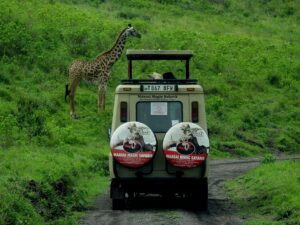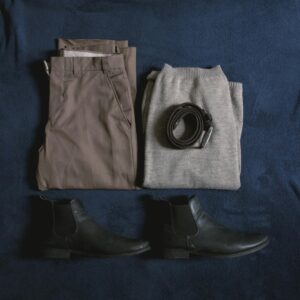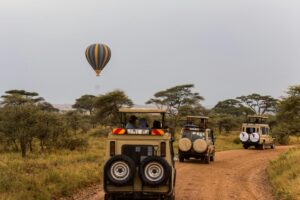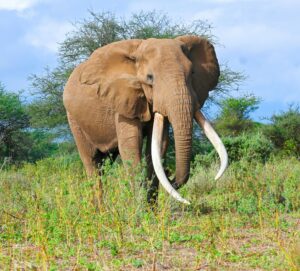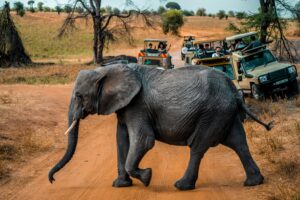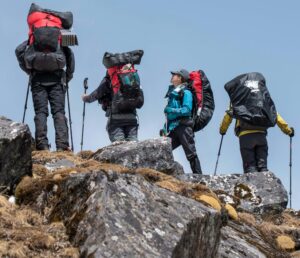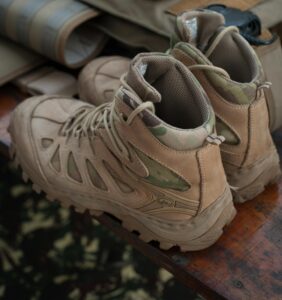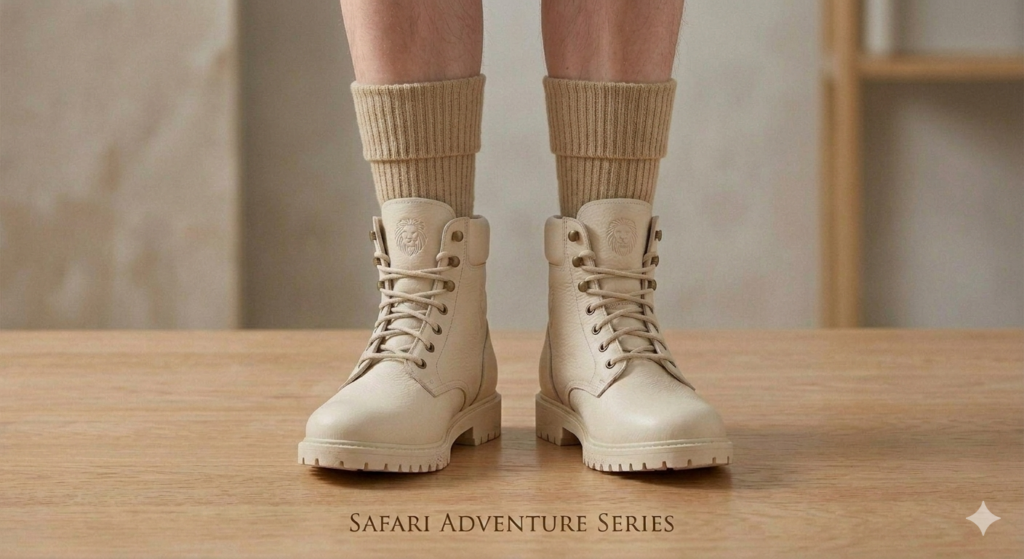
When embarking on outdoor adventures like trekking or safari, the right gear is essential for an enjoyable experience. Among the critical items, safari socks stand out for their comfort, protection, and overall functionality. Here’s why they are great for outdoor activities, along with recommendations for long trousers and other alternatives, emphasizing protection against various environmental hazards.
Benefits of Safari Socks
1. Comfort and Padding
- Cushioning: Safari socks often have extra padding in key areas, which provides comfort during long hikes and reduces the risk of blisters. This cushioning is vital for absorbing impact and preventing foot fatigue.
2. Moisture-Wicking Properties
- Keeping Feet Dry: Made from breathable materials, safari socks help wick moisture away from the skin. This is crucial in preventing moisture buildup, which can lead to blisters and discomfort.
3. Temperature Regulation
- Warmth and Breathability: Safari socks are designed to keep feet warm in cooler temperatures while remaining breathable in warmer conditions. This balance is essential for diverse environments encountered during treks.
4. Support and Stability
- Arch Support: Many safari socks come with built-in arch support, which helps maintain foot stability. This is especially important when traversing uneven or rocky terrain.
5. Durability
- Rugged Construction: Designed for outdoor use, safari socks are typically made from durable materials that can withstand rough conditions, making them ideal for adventurous activities.
6. Insect Protection
- Added Barrier: Wearing longer socks can provide an extra layer of protection against insects like ticks and mosquitoes, which is especially beneficial in safari environments.
7. Protection from Scrubs and Cuts
- Barrier Against Nature: Safari socks can help shield your legs from scratches and cuts caused by thorny bushes, tall grass, and rough terrain. This added protection is essential when navigating through dense vegetation.
Suitable Alternatives to Safari Socks
1. Trekking Socks
- Pros: Similar to safari socks, trekking socks offer cushioning, moisture-wicking properties, and durability. They may come in various thicknesses to suit different types of hikes.
- Best For: Longer treks in varied terrain where extra cushioning and support are needed.
2. Compression Socks
- Pros: These socks improve blood circulation, reduce swelling, and provide support, which can be particularly helpful during long hikes or when standing for extended periods.
- Best For: Hikers with circulation issues or those planning long, strenuous hikes.
3. Lightweight Hiking Socks
- Pros: Made from breathable materials, these socks are designed for warmer conditions, providing comfort without bulk.
- Best For: Day hikes in warm weather where minimal weight and maximum breathability are desired.
Long Trousers: A Perfect Supplement
Benefits of Long Trousers
- Protection Against Cuts and Scrapes: Long trousers provide essential coverage against scrapes, insect bites, and sun exposure, making them crucial for outdoor activities.
- Durability: Look for trousers made from rugged, durable materials that can withstand the rigors of hiking through rough terrain.
- Comfort Features: Many hiking trousers offer features like moisture-wicking fabric, quick-drying capabilities, and breathability, enhancing overall comfort during treks.
Suitable Types of Long Trousers
- Convertible Trousers
- Pros: These can be zipped off into shorts, offering versatility for changing weather conditions.
- Best For: Environments with fluctuating temperatures where quick adaptability is needed.
- Cargo Pants
- Pros: Featuring multiple pockets, cargo pants allow for convenient storage of small items like maps, snacks, and tools, while also providing a rugged barrier against the elements.
- Best For: Longer hikes where carrying extra gear is necessary.
- Lightweight Hiking Trousers
- Pros: Designed for comfort and mobility, these trousers often incorporate stretch fabric and breathable materials, allowing for ease of movement.
- Best For: Warm weather hikes or situations where agility is a priority.
Conclusion
Safari socks are a vital component of outdoor gear for activities like trekking, offering comfort, protection, and durability. When paired with suitable long trousers, they enhance your overall hiking experience by providing additional protection against environmental hazards, such as scrapes from thorny bushes and insect bites. Choosing the right combination of socks and trousers ensures you are well-prepared for the challenges of the wild, allowing you to fully enjoy your adventure. Prioritize comfort, protection, and versatility in your gear to make the most of your outdoor activities.