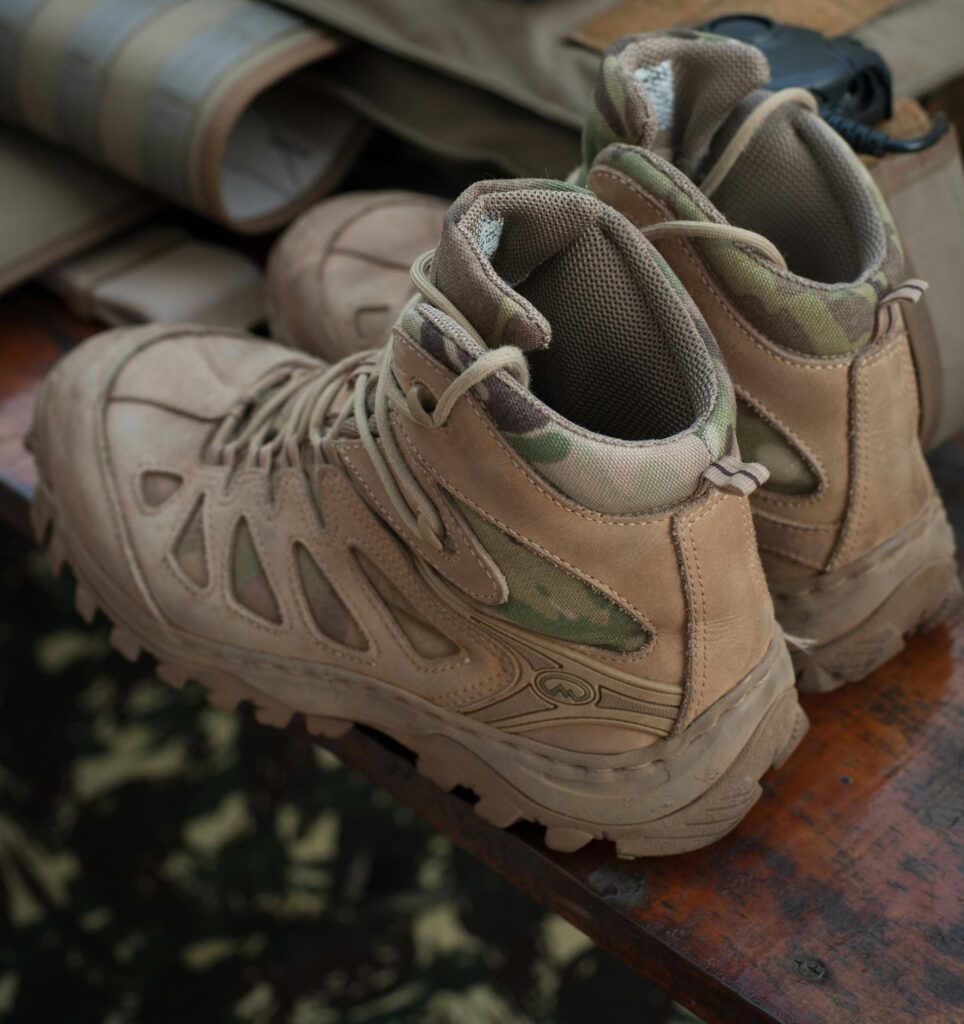
When it comes to hiking or trekking, selecting the right footwear can make or break your experience. Hiking boots come in various styles, primarily classified as tough (stiff) or soft (flexible). Each type has its own set of advantages and disadvantages, making it essential to understand which is better suited for your specific needs and conditions.
Tough Hiking Boots
Pros:
- Stability and Support
- Tough boots often have stiffer soles, providing excellent support for uneven terrain and heavy backpacks. This stability can reduce the risk of ankle injuries on rocky or uneven trails.
- Durability
- Made from tougher materials (like leather), these boots are designed to withstand harsh conditions, making them ideal for rugged terrains and long treks.
- Weather Resistance
- Many tough boots come with waterproof features, protecting your feet from moisture and keeping them dry during wet conditions.
- Protection
- The sturdy construction of tough boots provides better protection against sharp rocks, roots, and other trail hazards.
Cons:
- Break-In Period
- Tough boots often require a longer break-in period, which can lead to discomfort if not properly acclimated.
- Weight
- These boots tend to be heavier, which may lead to fatigue during long hikes.
- Less Flexibility
- Stiff soles may limit natural foot movement, which can be uncomfortable on softer, flatter trails.
Soft Hiking Boots
Pros:
- Comfort and Flexibility
- Soft boots typically have a more flexible sole, allowing for greater foot movement and comfort, especially on flatter, easier trails.
- Lightweight
- Generally, soft boots are lighter than tough boots, making them easier to wear for extended periods, which can reduce fatigue.
- Quick Break-In
- Soft boots usually require minimal break-in time, allowing you to hit the trails without extensive preparation.
- Breathability
- Many soft boots are made from lightweight materials that promote breathability, keeping your feet cooler in warm conditions.
Cons:
- Less Support
- Soft boots provide less ankle support and stability on rugged terrain, increasing the risk of injury if you’re carrying a heavy load or navigating tricky trails.
- Durability Concerns
- They may wear out faster than tough boots, especially when exposed to sharp rocks and harsh conditions.
- Limited Weather Resistance
- While some soft boots are water-resistant, they often lack the robust waterproofing features found in tough boots.
Which Is Better for Various Situations?
Tough Boots:
- Best for:
- Rugged and rocky terrains
- Long-distance hikes with heavy backpacks
- Wet or snowy conditions
- Off-trail hiking or backpacking
Soft Boots:
- Best for:
- Easy to moderate trails and day hikes
- Warm weather or dry conditions
- Shorter hikes with lighter loads
- Situations where comfort and agility are prioritized over stability
Conclusion
Choosing between tough and soft hiking boots depends on your hiking style, the terrain, and the conditions you expect to encounter. Tough boots offer durability and support for challenging trails, while soft boots provide comfort and flexibility for lighter excursions. Assessing your hiking needs will help ensure you select the right footwear for a safe and enjoyable adventure. Remember, the best boot is one that fits well and matches the demands of your journey!