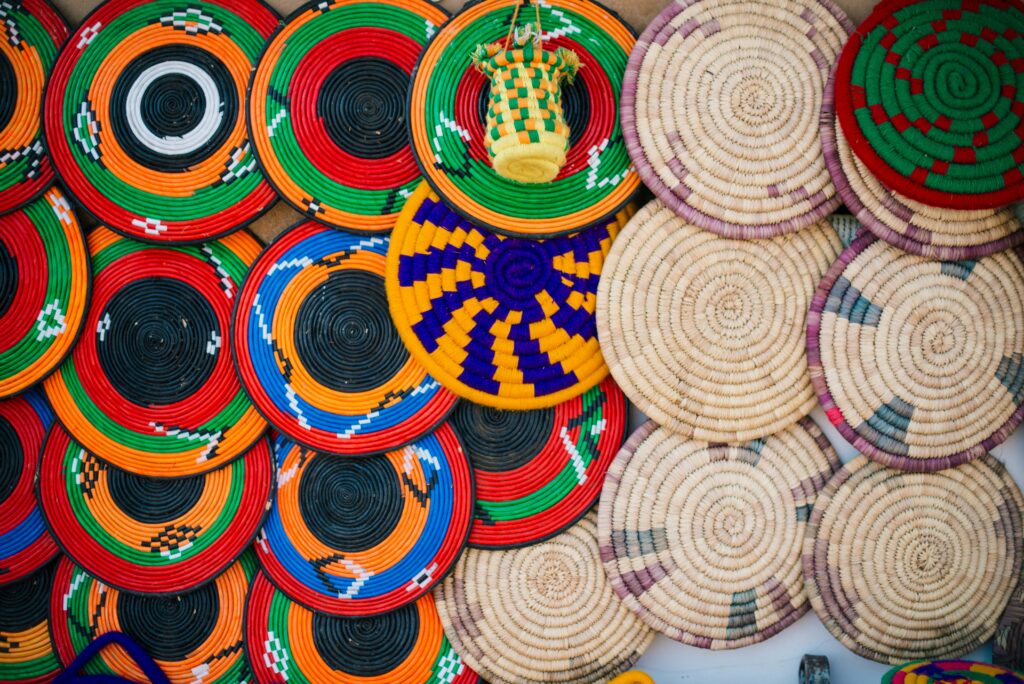
Traveling through Africa is not just about witnessing stunning landscapes and incredible wildlife; it’s also about connecting with the culture and heritage of the places you visit. One of the most meaningful ways to commemorate your journey is by purchasing a souvenir artifact. These items serve as tangible reminders of your experiences, stories, and the people you’ve encountered along the way. But beyond their sentimental value, certain considerations can make choosing the right souvenir even more special.
The Significance of Souvenir Artifacts
1. Cultural Connection
Souvenirs often reflect the culture and traditions of the region. By choosing a locally crafted artifact, you bring home a piece of that culture, making your travels more memorable. Whether it’s a Maasai necklace from Kenya or a wooden sculpture from Zimbabwe, each piece tells a story.
2. Unique Experiences
Purchasing a souvenir can also be an adventure in itself. Visiting local markets, engaging with artisans, and learning about the craft can enhance your travel experience. This interaction not only supports local economies but also fosters a deeper appreciation for the artistry behind the artifacts.
3. Tangible Memories
Every time you glance at your chosen artifact, it can evoke vivid memories of your travels—the sights, sounds, and emotions associated with that place. It transforms a moment into a lasting reminder of your journey.
Choosing the Right Souvenir: Considerations
1. Flight Regulations and Restrictions
When purchasing souvenirs in Africa, it’s essential to be mindful of flight regulations. Certain items may be restricted or subject to additional scrutiny:
- Animal Products: Souvenirs made from ivory, tortoiseshell, or certain animal skins are often illegal to export and may incur significant fines. Always check local regulations and consider ethically sourced items.
- Size and Weight Limitations: Airlines impose restrictions on the size and weight of carry-on luggage. Opt for smaller items that are easy to pack and transport.
2. Cultural Sensitivity
Some artifacts may hold cultural significance and should be respected as such. Before making a purchase, consider whether the item is appropriate to buy or if it’s something that should remain within its cultural context. Engaging with local artisans can provide insights into what is considered respectful.
3. Authenticity
To ensure your souvenir is genuine, purchase from reputable markets or artisans. Look for certifications or ask about the item’s origin. Authentic artifacts often have a story behind them, making them more meaningful.
4. Sustainability
As global awareness about environmental issues grows, consider supporting artisans who prioritize sustainable practices. Look for handmade items that use eco-friendly materials, contributing to both the economy and environmental conservation.
Memorable Souvenir Ideas
1. Handcrafted Jewelry
Look for unique pieces that reflect local designs. From intricate beadwork in Maasai culture to silver jewelry in Morocco, handcrafted jewelry is both beautiful and meaningful.
2. Textiles
African textiles, such as kente cloth from Ghana or batik from Madagascar, can serve as vibrant reminders of your travels. These items can be used as wall hangings, scarves, or even clothing.
3. Wood Carvings
Wooden sculptures or masks often represent local traditions and artistry. These artifacts make for striking home decor while encapsulating cultural narratives.
4. Pottery and Ceramics
Locally made pottery, such as Zulu or San art, showcases the region’s craftsmanship and can serve practical purposes, like serving dishes or decorative items.
Conclusion
Buying a souvenir artifact during your travels in Africa is not only a way to commemorate your journey but also an opportunity to connect with local cultures, support artisans, and bring home a piece of the world. By considering flight regulations, cultural sensitivities, and authenticity, you can choose a memorable keepsake that enriches your experience and reflects the spirit of the places you’ve visited.
As you embark on your next adventure, remember that the right souvenir can serve as a bridge between cultures, telling the stories of Africa long after your journey has ended.