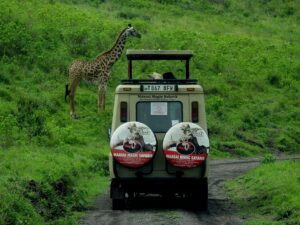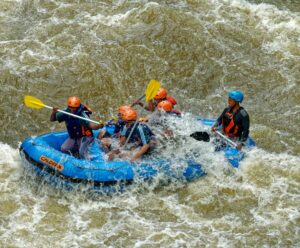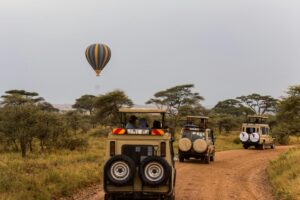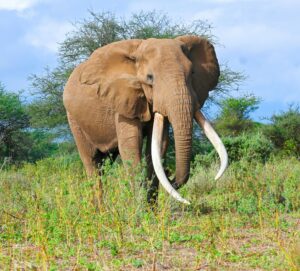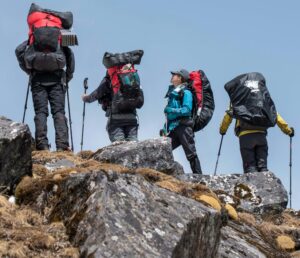
Tour guides play a crucial role in enhancing our travel experiences, particularly in natural and cultural environments. They not only share their knowledge and passion but also ensure our safety while exploring the wonders of the wild. Respecting tour guides and behaving responsibly around them fosters a harmonious and enjoyable atmosphere for everyone involved. Here’s a deeper look at why this respect is vital, how to interact appropriately, and the potential dangers of improper behavior.
Why Tour Guides Deserve Respect
1. Expertise and Knowledge
Tour guides are often well-trained and knowledgeable about the local environment, wildlife, and cultural heritage. Their insights can enrich our understanding and appreciation of the sites we visit.
2. Safety and Well-Being
Guides are responsible for ensuring the safety of their groups. They understand the potential hazards of the wilderness, including wildlife encounters and environmental risks. By following their lead, we minimize dangers to ourselves and the natural surroundings.
3. Cultural Sensitivity
Guides often serve as intermediaries between tourists and local communities. Respecting them ensures a positive interaction with local cultures and promotes sustainable tourism practices.
How to Behave Responsibly Around Tour Guides
1. Listen and Follow Instructions
- Always pay attention to your guide’s briefings and instructions. This ensures safety and maximizes the experience.
2. Ask Questions Respectfully
- Engage with your guide by asking questions, but do so politely. This encourages open communication and shows appreciation for their expertise.
3. Maintain a Positive Attitude
- Approach the tour with enthusiasm and positivity. A good attitude can be contagious and contribute to a fun atmosphere for everyone.
4. Avoid Distractions
- Limit the use of phones and cameras during critical moments. Focus on the guide’s explanations and share the experience with fellow travelers.
5. Respect Their Space and Role
- Acknowledge that guides have their own responsibilities. Allow them to perform their duties without unnecessary interruptions or distractions.
Dangers of Improper Behavior
1. Safety Risks
- Ignoring a guide’s instructions, such as venturing off designated paths or approaching wildlife, can lead to dangerous situations for yourself and the group. Wildlife can be unpredictable, and proper guidance is essential for safe observation.
2. Disruption of Experience
- Disrespectful behavior, such as talking over the guide or dismissing their insights, can detract from the experience for everyone. It may discourage the guide and affect their ability to engage the group.
3. Cultural Insensitivity
- Poor behavior can lead to misunderstandings or offend local communities. This not only impacts the relationship between tourists and locals but can also lead to negative consequences for future travelers.
4. Increased Stress for Guides
- Guides often work under considerable pressure to ensure everyone’s safety and satisfaction. Disrespectful behavior can increase their stress levels, making it harder for them to provide a positive experience.
Shared Responsibility for a Positive Experience
Both tourists and tour guides share the responsibility for creating a successful outing. Here’s how:
Tourists’ Responsibilities:
- Respect guides as professionals and acknowledge their expertise.
- Follow guidelines and safety protocols for the benefit of all.
- Communicate openly and constructively.
Guides’ Responsibilities:
- Provide clear instructions and information.
- Foster a welcoming atmosphere for questions and interactions.
- Ensure the safety and well-being of all participants.
Conclusion
Respecting tour guides and behaving responsibly around them is essential for ensuring a joyful and enriching experience in the wild. By recognizing the value they bring and engaging thoughtfully, travelers can contribute to a positive environment that benefits everyone involved. Emphasizing shared responsibility enhances safety, enjoyment, and cultural sensitivity, ultimately leading to memorable adventures in nature.