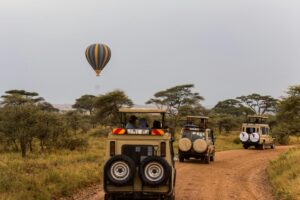
Before embarking on your next travel adventure, a medical checkup may be the last thing on your mind. However, prioritizing a health assessment can significantly enhance your travel experience. This article discusses the justifications for having a medical checkup before traveling, its potential impact on your overall experience, and the health issues that can affect your performance during activities.
Why a Medical Checkup is Justifiable
Advantages of a Pre-Travel Checkup
- Identification of Health Issues: A checkup can help identify any underlying health problems that may worsen during travel, such as hypertension, diabetes, or respiratory conditions.
- Vaccination Needs: Certain destinations require specific vaccinations. A medical professional can advise you on necessary immunizations, helping prevent disease outbreaks.
- Medication Management: Traveling may require adjustments to your medication routine. A healthcare provider can ensure you have enough medication for your trip and discuss any necessary changes.
- Travel Advice: Doctors can provide personalized advice based on your health status, destination, and planned activities, ensuring you are adequately prepared.
Disadvantages of Skipping a Checkup
- Unforeseen Health Issues: Traveling with undiagnosed conditions can lead to serious complications, affecting your ability to enjoy activities.
- Increased Risk of Illness: Without vaccinations or preventative measures, you may expose yourself to infectious diseases.
- Emergency Situations: Health emergencies abroad can be complicated and costly, especially without prior medical guidance.
Health Issues Affecting Travel Performance
Several general health issues can impact your ability to enjoy and participate in various travel activities:
- Cardiovascular Problems: Conditions like heart disease can limit your ability to engage in strenuous activities such as hiking or climbing.
- Alleviation: Regular checkups can help manage heart health. Consider aerobic exercises and a heart-healthy diet leading up to your trip.
- Respiratory Conditions: Asthma or chronic obstructive pulmonary disease (COPD) can be exacerbated by travel-related stressors or pollution.
- Alleviation: A checkup can ensure your condition is stable, and carrying rescue inhalers or medications is crucial.
- Diabetes: Uncontrolled diabetes can lead to fatigue and complications, especially when navigating different time zones and food options.
- Alleviation: Regular monitoring and maintaining a balanced diet can help manage blood sugar levels effectively.
- Mental Health: Anxiety or depression can be heightened during travel, affecting your enjoyment and social interactions.
- Alleviation: Discussing mental health with a provider can help manage symptoms and suggest coping strategies.
Products and Routines for Travel Readiness
Health Products to Consider
- First Aid Kit: Stocked with essentials like band-aids, antiseptics, and medications for common ailments (e.g., pain relievers, antihistamines).
- Personal Medication: Ensure you have enough prescribed medications, along with any travel-specific needs (like altitude sickness pills).
- Travel Vaccination Records: Keep documentation of all necessary vaccinations for easy reference.
Pre-Travel Health Routines
- Exercise: Engage in regular physical activity to enhance endurance and overall health. Tailor your routine to include aerobic exercises, strength training, and flexibility workouts.
- Nutrition: Focus on a balanced diet rich in fruits, vegetables, lean proteins, and whole grains to boost your immune system.
- Hydration: Drink plenty of water in the days leading up to your trip to ensure you’re well-hydrated, which is vital for energy levels.
Activities to Avoid Based on Age and Health Problems
Young Travelers
- Avoid Intense Physical Activities: High-impact sports or extreme hikes may pose risks if they’re not accustomed to rigorous physical exertion.
Middle-Aged Travelers
- Avoid High Altitudes: If you have cardiovascular issues, avoid destinations with significant altitude changes without prior acclimatization.
Older Travelers
- Avoid Long Flights or Road Trips Without Breaks: Extended periods of immobility can increase the risk of blood clots. Opt for destinations with shorter travel times or frequent breaks.
Travelers with Specific Health Concerns
- Heart Conditions: Avoid strenuous activities that can lead to overexertion. Opt for moderate activities like walking tours instead.
- Respiratory Issues: Stay away from high pollution areas and opt for destinations known for clean air.
Conclusion
A pre-travel medical checkup is not just a precaution; it’s a necessary step to ensure your health and safety while traveling. By addressing potential health issues and preparing adequately, you can enhance your travel experience and engage in activities comfortably. Prioritize your health to make the most of your adventures, ensuring that you return home with memories of a vibrant and enjoyable journey.