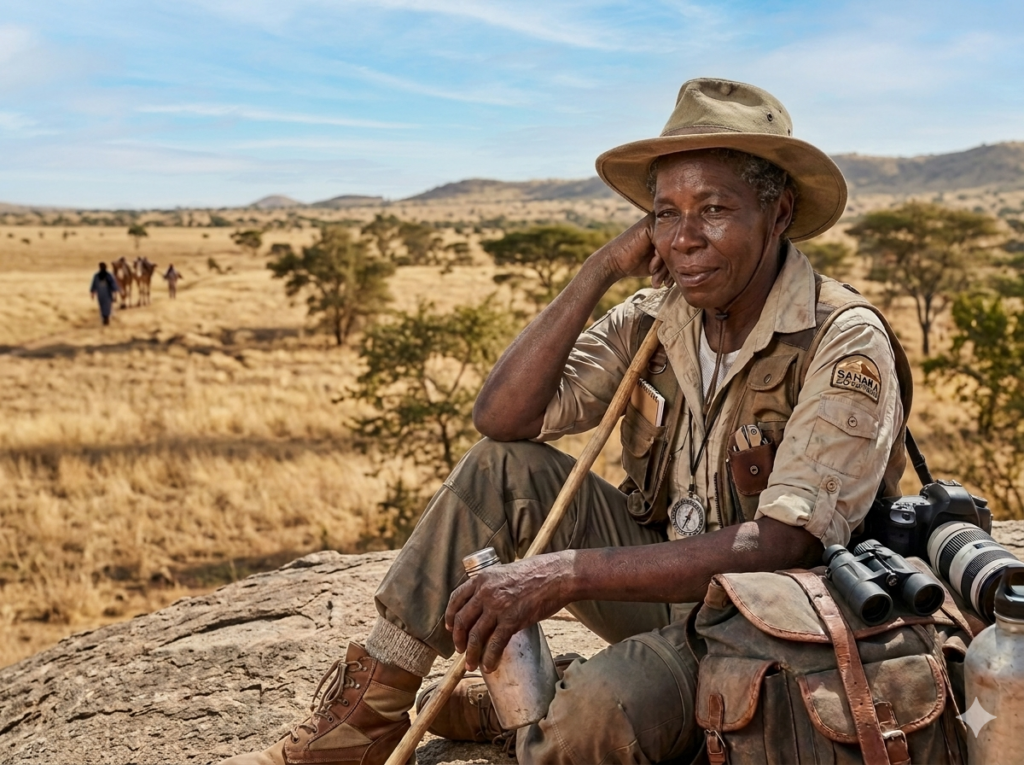
Traveling in Africa offers breathtaking landscapes and vibrant cultures, but the intense heat can pose serious challenges, including heat exhaustion. Understanding how to prevent and manage heat-related issues is crucial for an enjoyable and safe trip. This article outlines preventive measures, appropriate clothing, timing of activities, and ways to handle environmental challenges such as dry air, bugs, and skin irritations.
Understanding Heat Exhaustion
Heat exhaustion occurs when your body overheats, often due to prolonged exposure to high temperatures. Symptoms include:
- Heavy sweating
- Weakness and fatigue
- Dizziness or lightheadedness
- Nausea or vomiting
- Headache
- Muscle cramps
If left untreated, heat exhaustion can lead to heat stroke, a life-threatening condition.
Preventive Measures
1. Stay Hydrated
- Drink Plenty of Water: Aim for at least 8-10 glasses of water daily. Increase this amount in extreme heat or if you’re engaging in strenuous activities.
- Electrolyte Balance: Consider drinks that replenish electrolytes lost through sweat, especially during physically demanding activities.
2. Choose Appropriate Clothing
- Lightweight Fabrics: Opt for loose-fitting, breathable fabrics like cotton or moisture-wicking materials. Avoid dark colors, which absorb heat.
- Protective Gear: Wear wide-brimmed hats and sunglasses to shield your face and eyes from direct sunlight. A lightweight scarf can protect your neck.
- UV Protection Clothing: Consider specialized clothing with built-in UV protection for additional safety.
3. Timing of Activities
- Plan Around Weather Patterns: Schedule outdoor activities during cooler parts of the day, typically early morning or late afternoon. Avoid the midday sun when temperatures peak.
- Use Shade Wisely: Take breaks in shaded areas to cool down and rest. Look for natural shade from trees or carry a portable sunshade.
4. Acclimatization
- Gradual Exposure: If possible, acclimate your body to the heat by gradually increasing outdoor activities over a few days.
Managing Environmental Challenges
1. Hot Sandy Air
- Protective Masks: Consider wearing a lightweight face mask or scarf to filter out sand and dust when in desert or sandy areas.
- Stay Indoors When Possible: During the hottest parts of the day, seek indoor activities or plan visits to cultural sites that offer shade.
2. Dealing with Skin Dryness
- Moisturizers: Apply a good-quality moisturizer before and after exposure to keep your skin hydrated. Look for products with natural ingredients like aloe vera or shea butter.
- Hydration Packs: Keep your skin hydrated from the inside out by drinking plenty of water.
3. Bugs and Skin Rashes
- Insect Repellent: Use bug spray with DEET or natural alternatives to protect against mosquitoes and other insects. Reapply as needed, especially after sweating.
- Wear Long Sleeves and Pants: When venturing into areas with high insect activity, consider wearing long sleeves and pants to minimize skin exposure.
- Anti-Itch Creams: Carry antihistamines or hydrocortisone cream to treat any insect bites or skin rashes that may occur.
Recognizing Symptoms of Heat Exhaustion
Be vigilant about recognizing early symptoms of heat exhaustion. If you or a travel companion starts to feel dizzy, nauseous, or excessively fatigued, take immediate action:
- Find Shade or Air Conditioning: Move to a cooler environment as quickly as possible.
- Hydrate: Sip on water or an electrolyte drink to replenish lost fluids.
- Cool Down: Use a damp cloth on your neck, forehead, and wrists. Taking a cool shower or bath can also help.
Conclusion
Traveling in Africa can be a rewarding experience, but the heat can pose significant challenges. By understanding the risks of heat exhaustion and implementing preventive measures—such as staying hydrated, choosing appropriate clothing, timing activities wisely, and managing environmental challenges—you can ensure a safer and more enjoyable journey. Always listen to your body and prioritize your well-being, allowing you to fully appreciate the beauty and diversity that Africa has to offer.