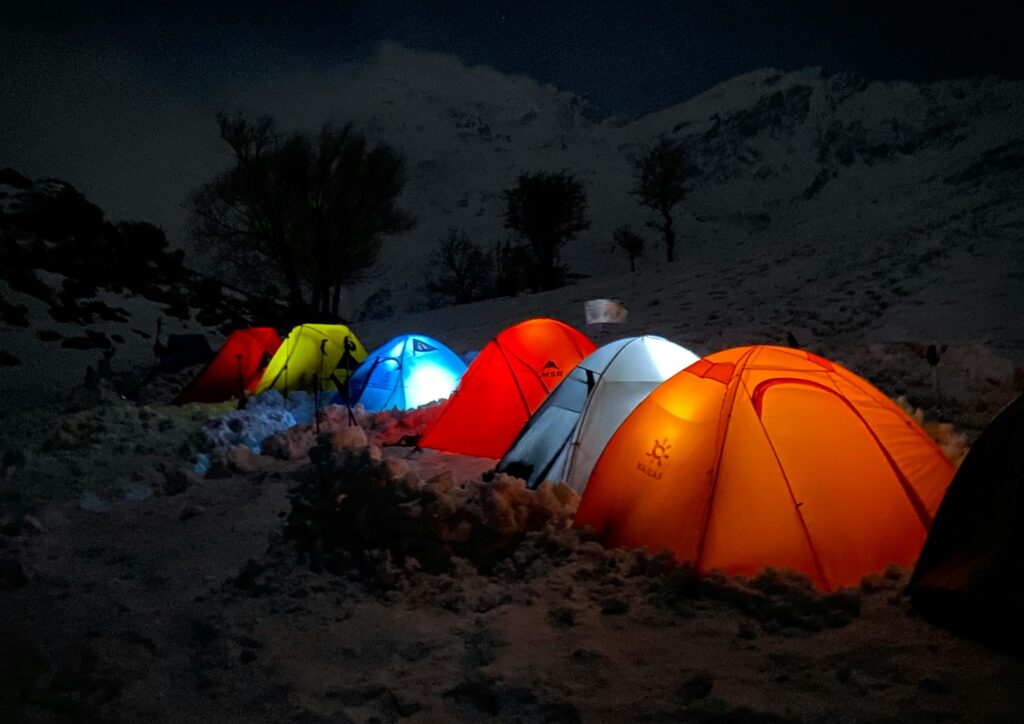
Camping is a wonderful way to connect with nature, unwind from the hustle and bustle of everyday life, and create lasting memories. For first-timers, the prospect of camping can be overwhelming, but with proper preparation and knowledge, you can set off on a successful adventure. Here’s a guide to the basics of camping, types of camping experiences, essential gear, and tips for a smooth outing.
Types of Camping
1. Tent Camping
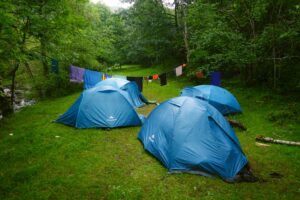
This is the most common form of camping, where you pitch a tent at a campground or in the wilderness. It offers a great introduction to camping and the outdoors.
2. Car Camping
In this style, you drive to a campsite and set up near your vehicle. This allows for more gear and comfort, making it ideal for families or beginners.
3. Backpacking
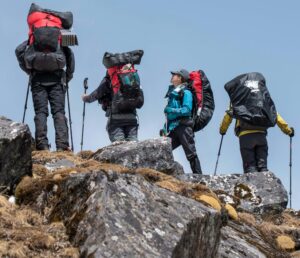
For the more adventurous, backpacking involves hiking to a remote campsite with all your gear in a backpack. This requires more preparation and fitness.
4. RV Camping
Using a recreational vehicle provides the comforts of home while still enjoying the outdoors. It’s great for those who want to experience camping without sacrificing too many amenities.
5. Glamping
Short for glamorous camping, glamping involves camping in comfort, often with luxurious tents or cabins, catering to those who want to enjoy nature without roughing it.
Essential Gear for Camping
1. Tent
Importance: A tent is your primary shelter and protects you from the elements.
How to Choose: Look for a tent suitable for the number of people and the weather conditions you expect. Consider the weight if you plan to hike to your campsite.
Tips: Practice setting up your tent at home before your trip. Make sure it’s waterproof and has good ventilation.
2. Sleeping Bag
Importance: A good sleeping bag keeps you warm and comfortable at night.
How to Choose: Choose a bag rated for the temperatures you expect. Consider the size and weight, especially if backpacking.
Tips: Use a sleeping pad for added insulation and comfort. Check the bag for zippers and ensure it opens and closes easily.
3. Cooking Gear
Importance: Proper cooking gear ensures you can prepare meals safely and efficiently.
How to Choose: A portable stove, cookware (pots, pans), utensils, and a cooler are essential. Consider the type of meals you want to prepare.
Tips: Bring a lightweight camping stove for quick meals. Don’t forget a firestarter, lighter, and biodegradable soap for cleaning.
4. Food and Water Supplies
Importance: Having enough food and water is vital for energy and hydration.
How to Choose: Plan meals in advance, considering shelf-stable foods like pasta, rice, canned goods, and snacks. Bring a water filtration system or purification tablets if camping in the wild.
Tips: Pack food in airtight containers to keep it fresh and protected from wildlife. Always carry extra water beyond what you think you’ll need.
5. Clothing
Importance: Dressing appropriately for the weather is crucial for comfort and safety.
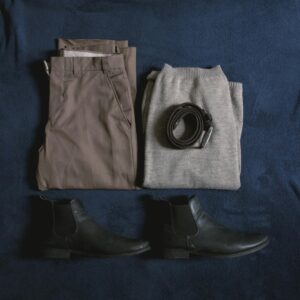
How to Choose: Opt for moisture-wicking layers, waterproof jackets, and sturdy hiking boots. Don’t forget a hat and gloves if camping in cooler climates.
Tips: Check the weather forecast and pack accordingly. Layering allows you to adapt to changing temperatures.
6. First-Aid Kit
Importance: Accidents can happen, so being prepared is essential.
How to Choose: A basic kit should include bandages, antiseptic wipes, pain relievers, insect repellent, and any personal medications.
Tips: Familiarize yourself with the contents of your first-aid kit and how to use each item before your trip.
7. Navigation Tools
Importance: Knowing how to navigate is crucial, especially in unfamiliar areas.
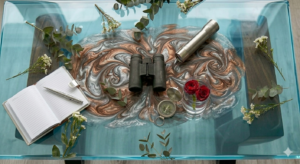
How to Choose: A map, compass, or GPS device are essential for safety.
Tips: Learn basic navigation skills before your trip. Always have a physical map as a backup in case of technology failure.
Preparation Tips for First-Timers
- Plan Your Trip:
- Research your chosen camping location.
- Make reservations if required, especially during peak seasons.
- Test Your Gear:
- Set up your tent and test your cooking equipment at home.
- Familiarize yourself with your gear to avoid surprises.
- Pack Smart:
- Create a checklist to ensure you don’t forget any essentials.
- Organize your gear by categories (cooking, sleeping, clothing) for easy access.
- Safety First:
- Inform someone about your plans, including your campsite and return time.
- Familiarize yourself with the area’s wildlife and potential hazards.
- Practice Leave No Trace:
- Respect nature by cleaning up after yourself and minimizing your impact.
- Follow guidelines to protect wildlife and their habitats.
Conclusion
Camping can be a rewarding experience filled with adventure and relaxation. For first-timers, preparation is key. By understanding the different types of camping, equipping yourself with essential gear, and following best practices, you can ensure a memorable and enjoyable outing. So gather your gear, choose a beautiful spot, and get ready to embrace the great outdoors!