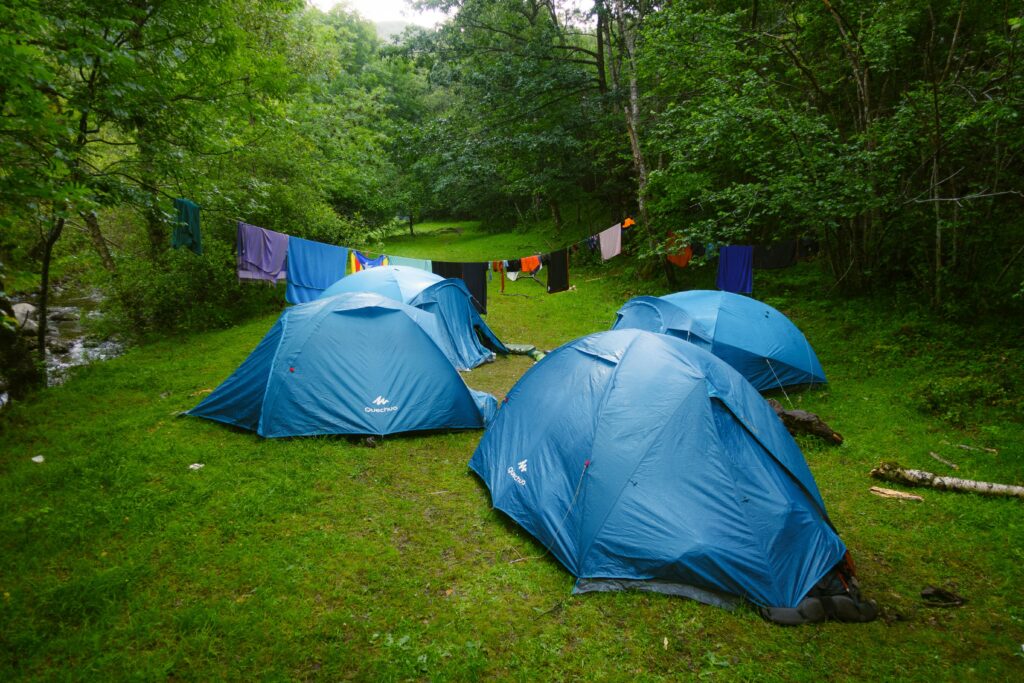
Camping offers a wonderful opportunity to connect with nature, but without proper preparation, the experience can quickly turn into a series of challenges. First-time campers, especially those with limited navigational experience, may face significant obstacles that can affect their safety, enjoyment, and overall experience. Here’s a look at common challenges and why careful planning is essential.
Common Challenges of Camping
1. Getting Lost
Challenge: One of the most significant risks for campers is losing their way, especially in unfamiliar terrain. Without a reliable navigation plan, it’s easy to veer off the trail or miss key landmarks.
Consequences: Getting lost can lead to panic, exhaustion, and potentially dangerous situations, particularly if night falls or the weather worsens.
Why It Should Be Avoided: Familiarity with navigation tools (maps, compasses, GPS) can help prevent disorientation and ensure a safe and enjoyable experience.
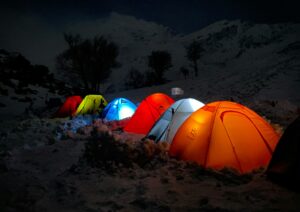
2. Inadequate Shelter
Challenge: Poorly planned shelter can leave campers exposed to the elements. This can happen when tents are chosen without considering weather conditions or if they are set up improperly.
Consequences: Exposure to rain, wind, or cold can lead to discomfort, hypothermia, or other health risks.
Why It Should Be Avoided: Selecting a suitable tent and practicing proper setup techniques ensures protection from adverse weather, enhancing comfort and safety.
3. Insufficient Food and Water Supplies
Challenge: Failing to plan meals or underestimating water needs can lead to shortages. This is especially concerning in remote areas where resupplying is not an option.
Consequences: Dehydration and hunger can lead to fatigue, irritability, and impaired decision-making.
Why It Should Be Avoided: Careful meal planning and understanding hydration needs are vital for maintaining energy and focus during the trip.
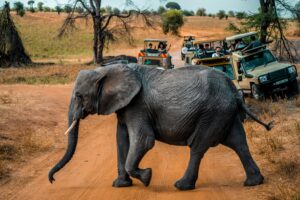
4. Wildlife Encounters
Challenge: Campers unprepared for wildlife may inadvertently attract animals by leaving food out or not understanding local fauna.
Consequences: This can lead to dangerous encounters, including aggressive behavior from animals seeking food.
Why It Should Be Avoided: Knowledge of local wildlife and proper food storage techniques can prevent dangerous situations and promote a safe camping environment.
5. Health and Safety Risks
Challenge: Poorly stocked first-aid kits or a lack of knowledge about basic medical care can result in severe consequences during an emergency.
Consequences: Minor injuries can escalate without proper treatment, leading to infections or serious complications.
Why It Should Be Avoided: A well-equipped first-aid kit and knowledge of basic first-aid practices are essential for handling common injuries and emergencies.
6. Environmental Hazards
Challenge: Inexperienced campers might not be aware of environmental hazards such as changing weather conditions, difficult terrain, or nearby water bodies.
Consequences: Exposure to severe weather or unsafe water can lead to hypothermia, dehydration, or injury.
Why It Should Be Avoided: Understanding local conditions and having contingency plans can help campers mitigate risks and respond effectively to environmental changes.
7. Poor Communication
Challenge: Lack of planning for communication, especially in remote areas, can lead to isolation and inability to get help if needed.
Consequences: Emergencies may go unreported, leading to increased risks for the entire camping group.
Why It Should Be Avoided: Carrying a fully charged mobile phone, a power bank, or even a satellite communicator can provide vital connectivity in emergencies.
Conclusion
Camping can be a rewarding adventure, but it demands careful planning and preparation, especially for those with limited navigational experience. The challenges that arise from inadequate planning can lead to serious risks, discomfort, and even dangerous situations. By prioritizing thorough preparation, learning essential skills, and understanding the environment, campers can avoid these pitfalls and enjoy a safe and memorable outdoor experience. Embrace the beauty of nature, but always respect its unpredictability—be prepared!