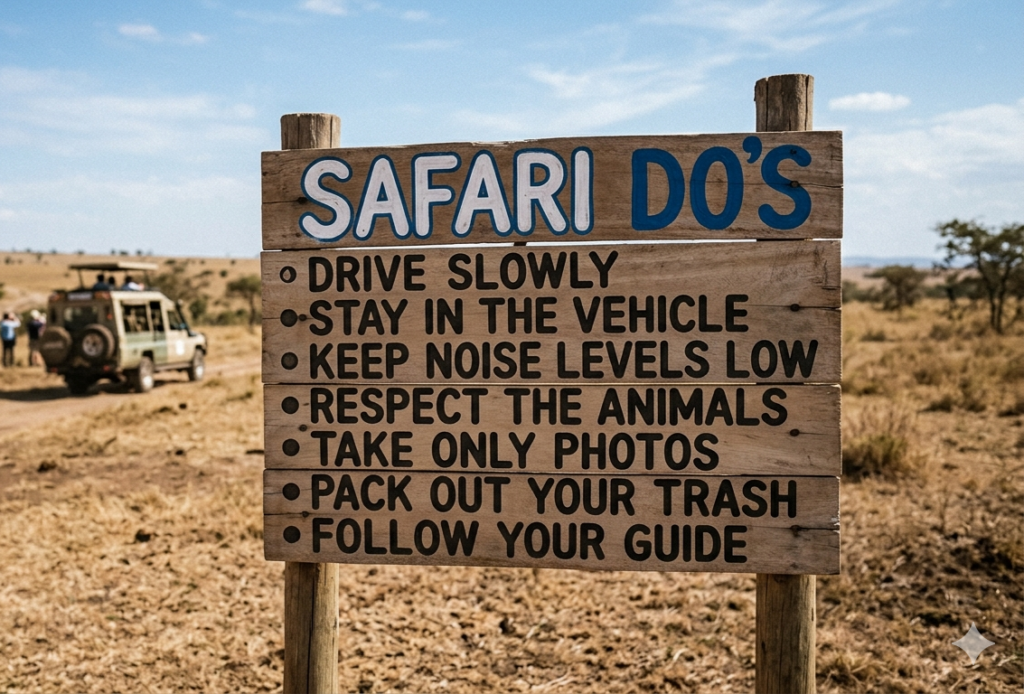
Wildlife observation offers a unique opportunity to connect with nature, witness the beauty of animal behavior, and appreciate the complexities of ecosystems. However, to ensure these experiences are safe, respectful, and sustainable, it is essential to adopt the perfect behavior during wildlife encounters. Here’s a comprehensive guide to observing wildlife ethically and responsibly.
1. Educate Yourself Before You Go
Understanding the Environment
Before embarking on your wildlife observation journey, it’s crucial to familiarize yourself with the local ecosystem. Research the species you might encounter, their behaviors, habitats, and any potential risks involved.
The Importance of Context
Understanding the social structures and breeding seasons of animals helps observers recognize when it’s appropriate to engage and when to give them space. This knowledge allows for more meaningful observations and reduces stress for the animals.
2. Maintain a Safe Distance
Respecting Boundaries
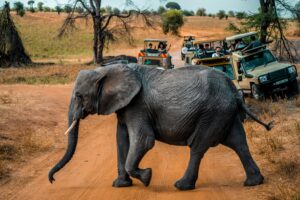
Keeping a respectful distance from wildlife is one of the most important aspects of ethical observation. Different species have varying comfort zones, and intruding on these can provoke stress or aggressive behavior.
Using Proper Equipment
A good pair of binoculars or a zoom lens can enhance your observation experience without getting too close. This not only protects your safety but also allows you to witness natural behaviors without interference.
3. Minimize Noise and Disruption
The Power of Silence
Animals rely on their senses to survive, and loud noises can disrupt their natural behaviors. Keeping conversations quiet and minimizing movement can help maintain the tranquility of the environment.
Practicing Patience
Wildlife observation often requires waiting silently for moments to unfold. By embracing patience, you not only enhance your chances of witnessing fascinating behaviors but also respect the animals’ need for a quiet habitat.
4. Avoid Feeding Wildlife
The Dangers of Human Food
Feeding wildlife is a common temptation but is fraught with dangers. Human food can harm animals, alter their natural foraging habits, and lead to aggressive behaviors as they seek more food from humans.
Promoting Natural Behaviors
Allowing animals to find food naturally encourages healthy behaviors and contributes to their overall well-being. By resisting the urge to feed wildlife, you play a crucial role in their conservation.
5. Observe Ethical Photography Practices
Capturing the Moment Responsibly
If photography is part of your wildlife observation, prioritize ethical practices. Avoid getting too close or disturbing the animal’s habitat for the sake of a photo. Instead, focus on composition and lighting from a distance.
Respecting Wildlife
Remember that the welfare of the animal should come first. If your actions are causing distress or altering their behavior, it’s time to step back. A responsible photographer values the experience over the perfect shot.
6. Follow the Guidelines of Parks and Reserves
Adhering to Regulations
National parks and wildlife reserves have established guidelines to protect both visitors and wildlife. Familiarize yourself with these rules, which often include designated viewing areas, prohibited activities, and guidelines on distances.
Contributing to Conservation Efforts
By following the guidelines, you contribute to the preservation of natural habitats and help ensure that future generations can enjoy the same wildlife experiences. Your responsible behavior aids in the conservation of these ecosystems.
7. Leave No Trace
Preserving the Environment
Adopt the Leave No Trace principles to minimize your impact on the environment. This includes disposing of waste properly, not disturbing plants or animal habitats, and avoiding creating new trails.
The Ripple Effect
By preserving the integrity of natural spaces, you ensure that wildlife can thrive without human interference. A clean environment benefits both the animals and the overall ecosystem.
8. Share Your Experiences Responsibly
Educating Others
After your wildlife observation, consider sharing your experiences with friends, family, or through social media. However, emphasize ethical practices and the importance of conservation.
Advocacy for Wildlife
By promoting responsible wildlife observation, you can influence others to adopt similar behaviors, creating a ripple effect that enhances the collective understanding of wildlife protection.
Conclusion
Wildlife observation is a privilege that offers profound insights into the natural world. By adopting the perfect behavior—educating yourself, maintaining distance, minimizing noise, avoiding feeding, practicing ethical photography, following guidelines, leaving no trace, and sharing responsibly—you can contribute to a sustainable and respectful relationship with wildlife.
These practices not only enhance your experience but also ensure the well-being of the animals and their habitats. As stewards of the earth, it is our responsibility to observe wildlife ethically, fostering a deeper connection to the natural world and ensuring that it remains vibrant for future generations.