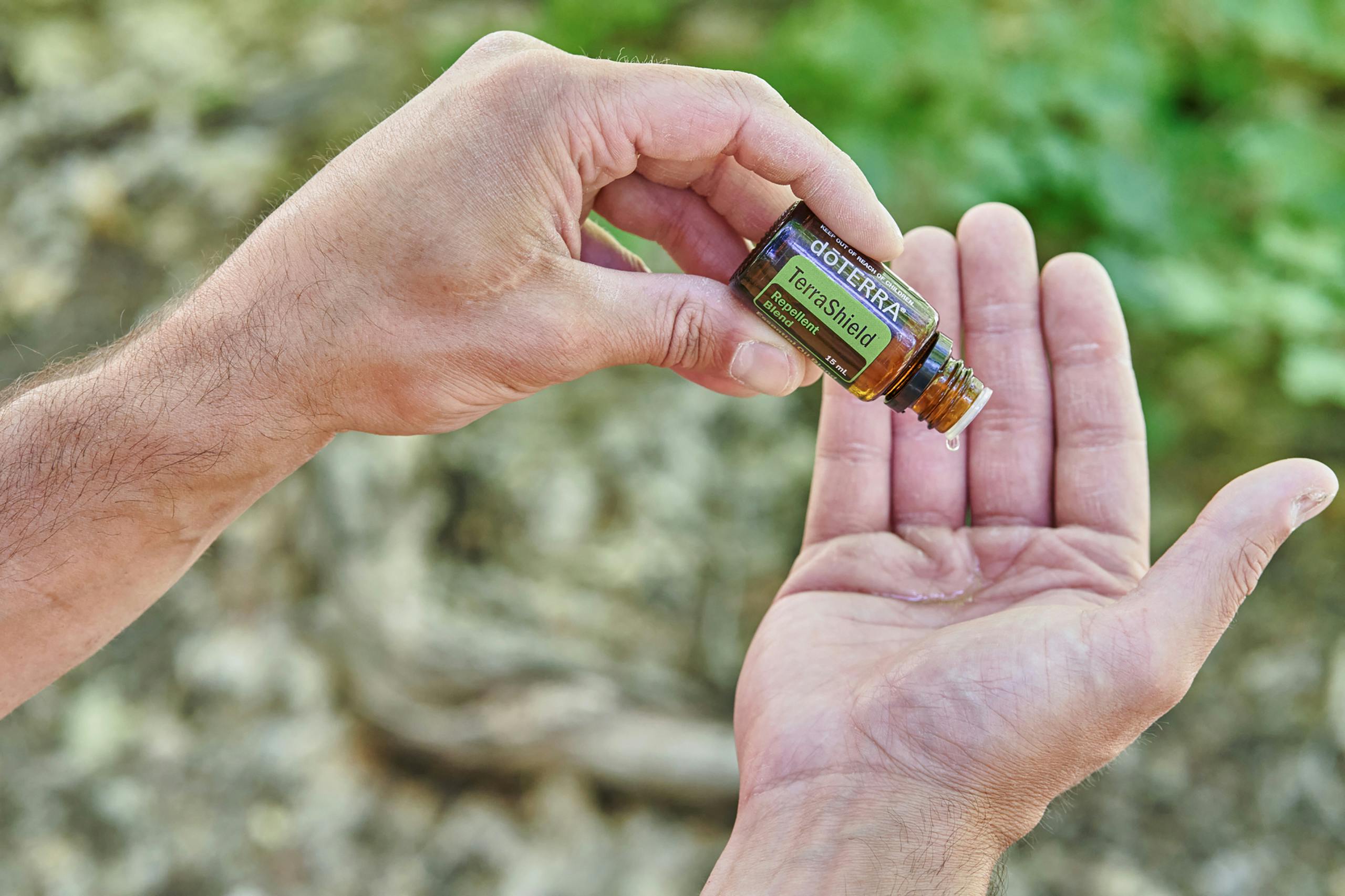
Insect repellents are essential for protecting against pesky bugs and potential disease transmission. With various options on the market, understanding the differences between them is crucial for making an informed choice. This article contrasts different types of insect repellents—non-greasy, odorless, perfumed, greasy, and highly effective—while also examining organic alternatives and their active ingredients. We’ll highlight key considerations, including effectiveness, versatility, and potential downsides.
Types of Insect Repellents
1. Non-Greasy Repellents
Overview: Non-greasy repellents are designed to absorb quickly without leaving a residue. They often come in spray form or as wipes.
Active Ingredients: DEET, picaridin, or IR3535 are common.
Advantages:
- Quick absorption and lightweight feel.
- Less likely to stain clothing.
Disadvantages:
- Some may still leave a slight scent.
- Effectiveness may vary based on formulation.
2. Odorless Repellents
Overview: These products are formulated to minimize or eliminate scent, making them ideal for sensitive individuals.
Active Ingredients: Picaridin is often used for its low odor profile.
Advantages:
- Pleasant for users who dislike strong fragrances.
- Less likely to attract insects due to lack of scent.
Disadvantages:
- Users may find it hard to gauge application coverage without a scent.
- Perceived effectiveness might be lower due to lack of immediate feedback.
3. Perfumed Repellents
Overview: These repellents incorporate fragrances, making them more appealing to some users.
Active Ingredients: Often contain DEET or plant-based oils like citronella.
Advantages:
- Pleasant aroma can enhance the user experience.
- May mask body odors that attract insects.
Disadvantages:
- Scent can attract certain insects (e.g., bees).
- Fragrance may irritate sensitive skin or trigger allergies.
4. Greasy Repellents
Overview: Greasy formulations, often in cream or lotion form, can provide a barrier against insects.
Active Ingredients: Often include higher concentrations of DEET or oil-based compounds.
Advantages:
- Long-lasting protection due to thicker consistency.
- Good for areas with high insect activity.
Disadvantages:
- Can feel heavy or sticky on the skin.
- May stain clothing or gear.
5. Highly Effective Repellents
Overview: These repellents are formulated for maximum efficacy and prolonged protection.
Active Ingredients: DEET (20-30% concentration), picaridin, or oil of lemon eucalyptus.
Advantages:
- Proven effectiveness in scientific studies.
- Long-lasting protection suitable for extended outdoor activities.
Disadvantages:
- Higher concentrations may lead to skin irritation.
- Strong scents may deter some users.
Organic Alternatives
Overview
Organic repellents typically use plant-based ingredients and essential oils to deter insects. Common ingredients include citronella, neem oil, and lemongrass.
Advantages:
- Generally perceived as safer and less irritating to skin.
- Environmentally friendly options.
Disadvantages:
- Often less effective than synthetic repellents.
- Shorter duration of effectiveness requires frequent reapplication.
Versatility and Multi-Function Repellents
Some products on the market combine insect repellent with other functionalities, such as moisturizers or sunscreens. These versatile options can save time and reduce the number of products you need to carry.
Key Considerations:
- Moisturizing Repellents: Contain ingredients like aloe or vitamin E, providing skin benefits alongside insect protection. However, they may reduce the efficacy of the repellent component.
- Sunscreen-Repellent Combos: Offer dual protection but can lead to uneven application, potentially compromising effectiveness against either UV rays or insects.
Data Sheet Material and Considerations
When selecting an insect repellent, consider the following data points on the label:
- Active Ingredients: Look for concentrations that meet CDC recommendations (e.g., 20-30% DEET for adults).
- Duration of Protection: Note how long the product claims to last (usually listed in hours).
- Application Guidelines: Follow instructions for safe use, especially on children.
- Skin Irritation Warnings: Pay attention to potential allergens or irritants in the formula.
Conclusion
Choosing the right insect repellent involves balancing effectiveness, application type, and personal preferences. Non-greasy, odorless options may appeal to those seeking comfort, while greasy and highly effective products are better for serious outdoor activities. Organic alternatives provide a gentler touch but may lack long-lasting protection. By understanding the active ingredients and their implications, you can select the best repellent for your needs, ensuring both safety and comfort in the great outdoors.