Hiking is an incredible way to explore nature, immerse yourself in breathtaking landscapes, and challenge your physical limits. For first-time hikers, particularly on iconic trails in Africa, thorough preparation is key. This guide will help you get ready for your adventure, covering essential equipment, common challenges, and tips for overcoming them.
Understanding the Terrain
Popular African Hiking Destinations
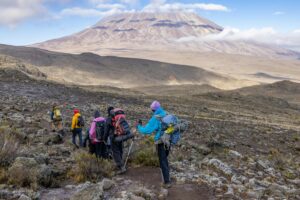
- Mount Kilimanjaro, Tanzania: The highest peak in Africa, Kilimanjaro presents various routes, such as the Machame and Lemosho trails. Hikers encounter diverse ecosystems, from rainforests to alpine deserts.
- Table Mountain, South Africa: A symbol of Cape Town, Table Mountain offers several trails, including the Platteklip Gorge. The views are stunning, but weather conditions can change rapidly.
- Simien Mountains, Ethiopia: Known for their dramatic landscapes and endemic wildlife, the Simien Mountains feature challenging terrain with steep ascents and high altitudes.
- Drakensberg, South Africa: This mountain range boasts picturesque views and a variety of trails, from easy walks to strenuous hikes.
Essential Equipment for First-Time Hikers
Clothing
- Layered Clothing: Dress in layers to adapt to changing temperatures. Start with moisture-wicking base layers, add insulating layers, and finish with a waterproof outer layer.
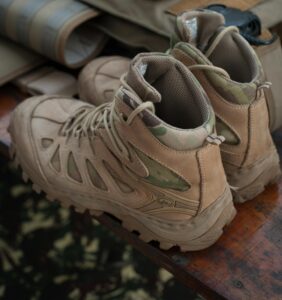
- Sturdy Hiking Boots: Invest in a good pair of hiking boots that provide ankle support and traction. Make sure to break them in before your hike to avoid blisters.
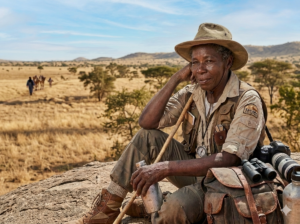
- Hat and Sunglasses: Protect yourself from the sun, especially at high altitudes like Kilimanjaro, where UV exposure increases.
Gear
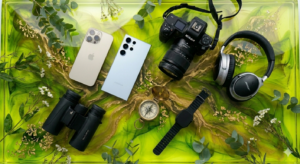
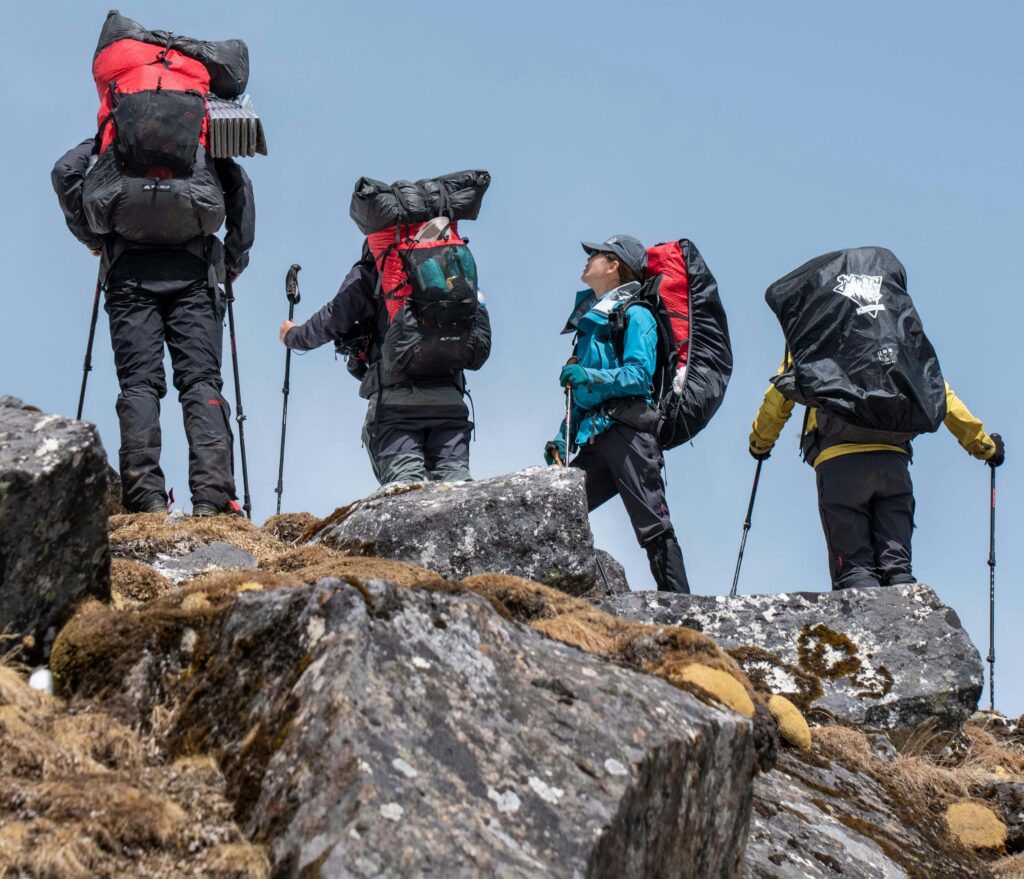
- Backpack: A comfortable, appropriately sized backpack (20-30 liters for day hikes, larger for multi-day treks) will carry your essentials.
- Hydration System: Carry a water bottle or hydration reservoir to ensure you stay hydrated, particularly in dry regions like the Namib Desert.
- First Aid Kit: A basic kit should include band-aids, antiseptic wipes, pain relievers, and altitude sickness medication if hiking in high-altitude areas.
Navigation Tools
- Map and Compass or GPS: Familiarize yourself with your route beforehand and bring navigation tools, especially on less marked trails like those in the Simien Mountains.
Other Essentials
- Snacks: High-energy snacks like nuts, energy bars, and dried fruits will keep your energy levels up.
- Headlamp or Flashlight: Useful for early morning or late evening hikes, particularly on longer trails.
Common Challenges and How to Overcome Them
1. Physical Conditioning
Challenge: Many first-time hikers underestimate the physical demands of hiking, especially on challenging trails like Kilimanjaro.
Solution: Begin training several weeks in advance. Incorporate cardio exercises (running, cycling), strength training (focusing on legs and core), and practice hiking with a loaded backpack on local trails. Gradually increase your distance and elevation gain.
2. Altitude Sickness
Challenge: High-altitude treks, such as those on Kilimanjaro or in the Simien Mountains, can lead to altitude sickness, which includes symptoms like headaches, nausea, and fatigue.
Solution: Ascend gradually to allow your body to acclimatize. Stay hydrated and avoid alcohol. Consider using medications like Diamox to help mitigate symptoms. Listen to your body; if symptoms persist, descend to a lower altitude.
3. Weather Variability
Challenge: Weather can change abruptly, especially on mountains like Table Mountain, where sunny conditions can quickly shift to fog or rain.
Solution: Check the weather forecast before your hike and be prepared for all conditions. Pack a waterproof jacket and extra layers. Start your hike early to avoid afternoon weather changes.
4. Navigation Difficulties
Challenge: Getting lost can be a concern on less-marked trails, such as those in the Drakensberg.
Solution: Always carry a map and compass or a GPS device. Familiarize yourself with the route beforehand and consider joining a guided tour for your first hike. Mobile apps like AllTrails can also provide helpful trail information.
Conclusion
Hiking can be an incredibly rewarding experience, offering unique opportunities to connect with nature and challenge yourself. By preparing adequately with the right equipment and knowledge of potential challenges, first-time hikers can enjoy incredible adventures across Africa’s stunning landscapes. Whether you’re summiting Kilimanjaro or exploring the Drakensberg, each hike is a step toward building confidence and resilience. Get out there, embrace the journey, and let the trails unfold before you!