


Hiking Preparation and Equipment for First Timers: Conquering Africa`s Trails
Crossing Borders in Africa: Challenges and Tips for a Smooth Adventure
Packing for Pyramid Tours in Africa: A Stylish Guide to Exploring Ancient Wonders
Dressing for Desert Adventures: Your Guide to What to Wear in Africa`s Arid Wonders
The Ultimate Guide to Swamp Chic: What to Wear When Touring Africa`s Wetlands

10 Things Luxury Tour Operators May Provide That Standard Operators Might Not
Inclusive Adventures: Enjoying Africa`s Wonders Together
Cascading Wonders: Discovering Africa`s Majestic Waterfalls
The Thrill of Touring Africa`s Deserts: An Adventure Awaits
Thrill-Seeking Adventures: Adrenaline-Filled Activities in Africa and Beyond

Premium: Most visited place
Gold: 2nd most visited place
Silver: 3rd most visited place
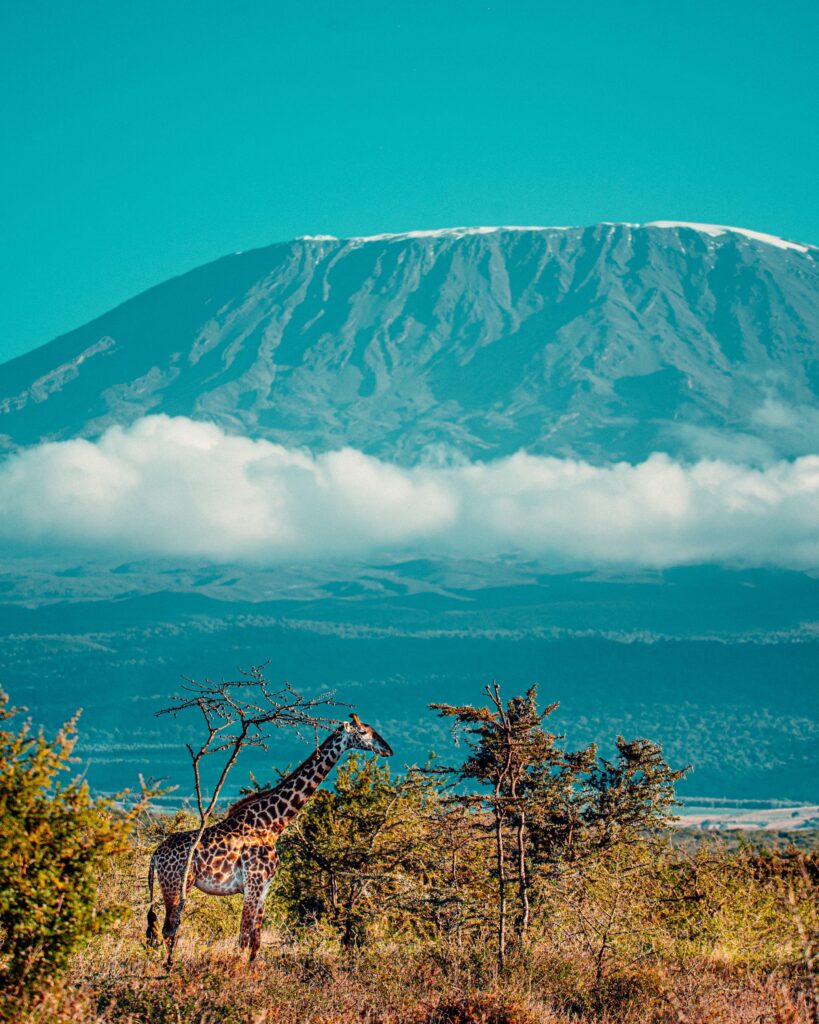
Mount Kilimanjaro is Africa's highest peak and a bucket-list destination for adventurers and trekkers worldwide. Standing at 5,895 meters (19,341 feet), it offers breathtaking views and a variety of ecosystems, from lush rainforest to alpine desert. The most popular routes for climbing include the Marangu, Machame, Lemosho, and Rongai routes, each offering unique experiences and stunning scenery. Along the way, trekkers can encounter diverse wildlife such as monkeys, elephants, and various bird species. The challenge of reaching the summit, Uhuru Peak, is complemented by the beauty of the surrounding landscapes and the thrill of standing atop Africa.
Among :
Visit Remark : Perfect for adventure_seekers, nature lovers, and those looking to conquer a significant challenge.
Big 5 presence : No, but offers unique wildlife experiences.
Currency : TZS (Tanzanian Shilling)
Best time to visit : January to March , June to October
Airstrip(s) :
Nearest Town(s) :
mountain climbing
trekking
cultural tours
wildlife viewing
photography
Families : Yes, with accommodations and activities suitable for families, though some treks may be challenging.
Couples : Ideal for couples seeking adventure and breathtaking views.
Adventure seekers : A top destination for trekkers and climbers looking for a challenge.
Business travelers : Limited, but some lodges offer facilities for meetings.
Older adults : Yes, with options for easier treks and accommodations.
Highest peak in africa : Mount Kilimanjaro is renowned as the highest peak in Africa, standing at 5,895 meters (19,341 feet) above sea level. It attracts climbers and adventurers from around the world.
Diverse ecosystems : The climb to the summit takes you through a range of ecosystems, from lush rainforest and alpine desert to arctic tundra, showcasing the mountain's incredible biodiversity.
Stunning sunrise and sunset : Kilimanjaro is famous for its breathtaking sunrise and sunset views, especially from the summit, offering panoramic vistas of the surrounding landscapes.
Snow-capped summit : The mountain's snow-capped peak, known as Uhuru Peak, creates a striking contrast with the surrounding African savanna and is a symbol of Kilimanjaro's beauty.
Cultural experience : Kilimanjaro is surrounded by the culture and heritage of the Chaga people, who have lived on the mountain's slopes for centuries and provide a rich cultural experience for visitors.
Best time to climb : The best time to climb Kilimanjaro is during the dry seasons from January to March or June to October. These months provide the most favorable weather conditions.
Choose a trekking route : There are several routes to the summit, including Marangu, Machame, Lemosho, and Rongai. Choose a route that fits your fitness level and time constraints.
Acclimatization : Allow enough time for acclimatization during your climb to avoid altitude sickness. Gradual ascent and staying hydrated are essential for a successful trek.
Prepare physically : Physical preparation is key. Engage in regular cardiovascular and strength training exercises to build endurance before the climb.
Guided treks : For safety and to enhance your experience, book a guided trek with an experienced operator who can provide support, equipment, and knowledge of the mountain.
Altitude sickness : Altitude sickness is a risk at higher altitudes. Listen to your body and inform your guide if you feel symptoms such as headaches, dizziness, or nausea.
Stay hydrated : Drink plenty of water throughout the trek to stay hydrated and help prevent altitude sickness.
Weather preparedness : The weather can change rapidly on the mountain, so be prepared for cold temperatures, strong winds, and rain. Bring appropriate clothing and gear for all conditions.
Physical condition : Ensure you are in good physical shape and understand the level of difficulty for your chosen route. Consult with your doctor if you have any health concerns.
Emergency contacts : Always carry a list of emergency contacts, and make sure someone knows your itinerary. Mobile coverage may be limited on certain routes.
Layered clothing : Wear layered clothing to adapt to changing temperatures. Start with a moisture-wicking base layer, followed by insulating layers, and an outer waterproof layer.
Warm layers : Bring warm clothing such as fleece jackets, down or synthetic jackets, and thermal pants for the higher altitudes where temperatures can drop below freezing.
Sturdy hiking boots : High-quality, sturdy hiking boots with good ankle support are essential for trekking through the varied terrain of Kilimanjaro.
Headgear and gloves : A warm hat, gloves, and scarf are important for summit day when temperatures can be extremely cold.
Sun protection : A wide-brimmed hat, sunglasses, and high-SPF sunscreen are necessary to protect yourself from sun exposure during the day.
Visa policy : Most travelers can obtain a visa on arrival in Tanzania for a stay of up to 90 days. Confirm specific visa requirements for your nationality before traveling.
Visa on arrival : Visa-on-arrival is available for many nationalities, but it's recommended to verify eligibility and necessary documentation beforehand.
Online visa application : Tanzania offers an e-visa service that allows travelers to apply online before arrival, streamlining the entry process.
Documents needed : Ensure your passport is valid for at least six months from the date of entry. Proof of accommodation and an onward or return ticket may be required.
Entry requirements : Travelers may need to show proof of sufficient funds and may have to complete customs forms. Yellow fever vaccination may be needed depending on your travel history.
Nearest Airport : Kilimanjaro International Airport (JRO) | Distance: 40 km
NB: Not all listed airlines may be operationally-valid. We encourage further verification during trip planning.
Most destinations typically operate between 07:AA-19:BBhrs & open 7days a week. However, for busy destinations they are open for 24hrs & 7days a week.Then for none-busy destinations they operate in select few days & close on holidays and weekends.For further information please lias with your tour operator for smooth visits. You can also contact the destination offices directly with the following details
+255 713 524 020
info@tanzaniaparks.go.tz
+255 713 524 020
NB: Not all listed contact details and website may be operationally-valid. We encourage further verification during trip planning and if found not working, please use our community forum to indicate the issue.
Select your location to load relevant tour operator(s) from your country to take you to this selected destination
Searching for Tour operators, please wait...